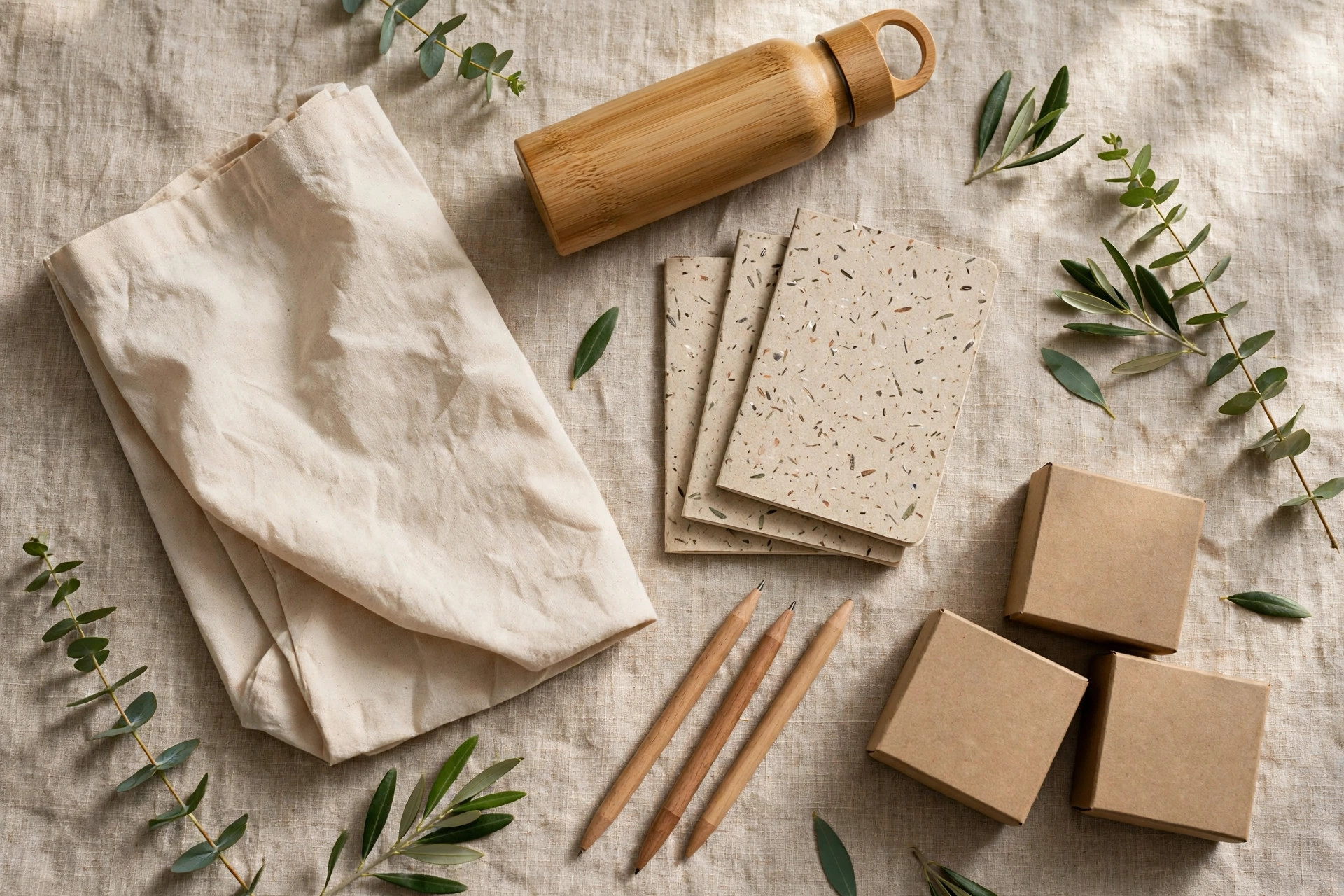
Walk into any corporate event, exhibition, or trade show in Dubai today and you will notice something different from a few years ago. The plastic keychains, cheap polyester tote bags, and single-use plastic bottles that once filled welcome kits are disappearing. In their place: bamboo water bottles, notebooks with recycled paper covers, jute tote bags, and pens made from wheat straw. Eco friendly branded merchandise in Dubai has moved from a niche preference to a mainstream expectation — and brands that understand how to source it well are winning real loyalty, not just attention.
This guide is written for marketing managers, procurement teams, HR departments, and business owners in the UAE who want to get sustainable merchandise right. It covers why brands are making the switch, the materials that actually qualify as eco-friendly, which product categories work best, how to brand natural materials so your logo looks premium rather than compromised, how to spot greenwashing, what to consider about packaging, the UAE-specific factors (heat, humidity, durability) that affect material choices, and how ordering works in practice — minimum quantities, samples, and timelines.
Why Brands Are Choosing Sustainable Merchandise
The shift toward eco friendly promotional products in Dubai is not a passing trend. It is driven by three converging forces: brand image, corporate sustainability commitments, and changing recipient expectations.
Brand image: what your merchandise says about you
Every piece of branded merchandise is a physical ambassador for your company. A prospect who receives a flimsy plastic pen that breaks in a week forms a subconscious impression — and it is rarely a flattering one. A well-made bamboo pen or a sturdy recycled-PET backpack, on the other hand, signals thoughtfulness, quality, and modern values. For companies positioning themselves as forward-thinking, premium, or responsible, sustainable merchandise aligns the object with the message. Your sustainability report can say all the right things, but handing out single-use plastic at your own event undermines the story in a single gesture.
ESG and corporate sustainability commitments
Across the UAE, government-linked entities, banks, real estate developers, and multinational corporations increasingly operate under published sustainability frameworks. Events and marketing activations are now routinely measured against internal ESG scorecards. Procurement teams are asked to justify the environmental footprint of everything from catering to giveaways. Choosing sustainable promotional products in the UAE is often no longer optional for these organisations — it is a line item in the compliance checklist. Even for smaller companies without formal ESG reporting, aligning with the UAE’s national sustainability agenda (visible in initiatives around waste reduction, recycling infrastructure, and green procurement) positions a brand on the right side of where the market is heading.
Recipient perception: people actually keep eco merch
Here is the practical argument that convinces even the most cost-focused buyer: eco-friendly merchandise gets used. Recipients treat a well-designed organic cotton tote bag, a stainless-steel or bamboo bottle, or a cork notebook differently from disposable swag. These items enter daily routines — the commute, the desk, the gym bag — and every use is another brand impression. Independent industry observations consistently show that useful, durable promotional products generate far more impressions per dirham than disposable ones. A bamboo bottle used daily for two years delivers thousands of logo views; a plastic keychain discarded at the hotel delivers almost none. Sustainable merchandise is not just the responsible choice — it is the efficient one.
What Counts as Eco Friendly Branded Merchandise?
Before sourcing, it helps to define what “eco-friendly” actually means in the merchandise context, because the label gets applied loosely across the industry. Genuinely eco-friendly branded merchandise falls into one or more of these categories:
- Recycled content: products made partly or wholly from post-consumer or post-industrial recycled materials, such as recycled PET (rPET) fabric, recycled paper, or recycled aluminium. These divert waste from landfill.
- Rapidly renewable materials: products made from materials that regenerate quickly without replanting cycles measured in decades — bamboo, cork, wheat straw, and jute are the classics.
- Biodegradable or compostable: products designed to break down naturally at end of life, such as seed paper, uncoated natural fibres, or PLA-based items under proper composting conditions.
- Durable reusables that displace disposables: a stainless-steel bottle, a quality tote, or a metal lunch box is not necessarily “natural,” but its environmental value comes from replacing hundreds of single-use items over its lifetime.
- Organic or responsibly farmed: organic cotton, for instance, is grown without synthetic pesticides and fertilisers, reducing chemical runoff.
A credible eco merchandise line mixes these categories. And crucially, a supplier should be able to tell you which category each product belongs to and what percentage of recycled or natural content it contains. Vague claims like “eco pen” with no material detail are a red flag — more on greenwashing later in this guide.
The Materials Guide: What Your Merchandise Is Actually Made Of
Understanding materials is the single most important skill in sourcing sustainable merchandise. Each material has a different story, a different feel, different branding options, and different strengths in the UAE climate.
Recycled PET (rPET)
Recycled PET is made from post-consumer plastic bottles that are collected, cleaned, shredded, melted, and spun into polyester fibre. It is one of the most versatile eco materials in branded merchandise: rPET fabric is used for backpacks, laptop sleeves, tote bags, caps, lanyards, and even apparel. It looks and performs like conventional polyester but carries a genuine waste-diversion story — many suppliers can state how many bottles went into a given product.
Strengths: durable, colourfast, widely available, takes full-colour printing beautifully, and generally cost-competitive with virgin polyester equivalents. In the UAE heat, rPET bags and backpacks perform exactly like their conventional counterparts.
Watch-outs: it is still plastic at end of life, so it is not biodegradable. Position it honestly as a waste-reduction and durability story, not as a “natural” product.
Bamboo
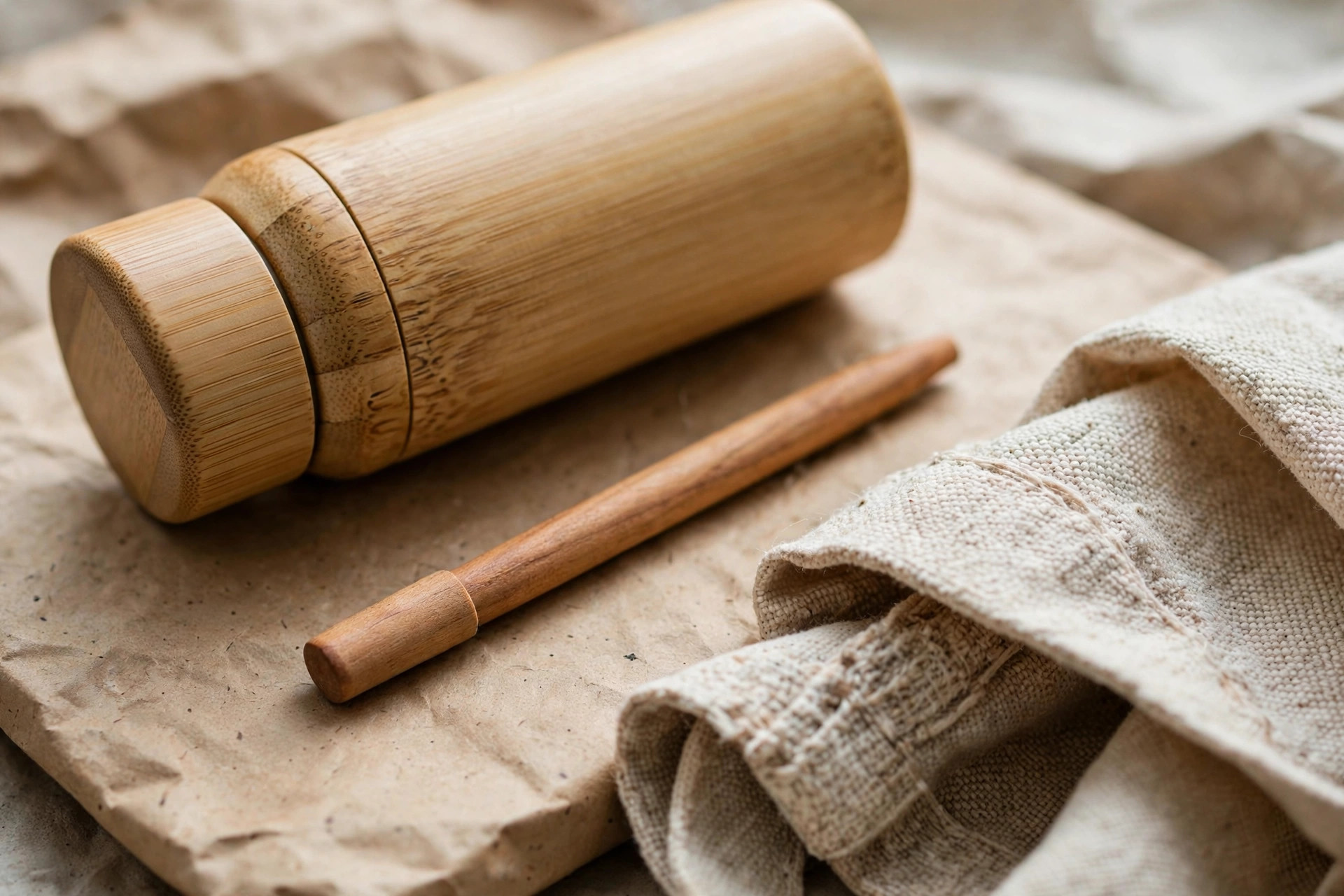
Bamboo is a fast-growing grass — some species grow visibly within a single day — that requires no replanting after harvest and little irrigation. In merchandise, bamboo appears as water bottles (often with stainless-steel interiors), lunch boxes, cutlery sets, pens, notebooks with bamboo covers, phone stands, desk organisers, and wireless charging pads with bamboo casings.
Strengths: a distinctive warm, natural aesthetic that photographs beautifully and feels premium in hand. Laser engraving on bamboo produces a crisp, dark mark that looks genuinely high-end. Bamboo is also naturally hard and durable.
Watch-outs: bamboo composites (bamboo fibre mixed with melamine, common in “bamboo” cups and plates) are less straightforwardly eco than solid bamboo — ask what the binding material is. Solid bamboo is the cleaner story. For a deeper look at bamboo options specifically, see our guide to bamboo gifts in Dubai.
Cork
Cork is harvested from the bark of cork oak trees without cutting the tree down — the bark regenerates, making cork one of the most genuinely renewable materials available. In branded merchandise, cork shows up as notebook covers, coasters, keychains, bottle openers, desk pads, yoga mats, and bag trims.
Strengths: lightweight, naturally textured, water-resistant, and hypoallergenic. Cork takes laser engraving and debossing exceptionally well, and its distinctive look immediately reads as “eco” to recipients. It is also heat-tolerant, which matters in the UAE.
Watch-outs: cork products are often composites (cork laminated to other backings) — fine for durability, but worth knowing for accurate claims. Natural cork’s texture varies piece to piece, which is part of its charm but worth flagging if your brand demands absolute uniformity.
Wheat straw
Wheat straw is an agricultural by-product — the stalks left after wheat grain is harvested — that would otherwise be burned or discarded. In merchandise, wheat straw fibre is commonly blended into bioplastic used for lunch boxes, cutlery sets, cups, storage containers, and phone cases.
Strengths: a genuine waste-valorisation story (turning a burn-off by-product into useful products), lightweight, and usually very cost-effective — wheat straw items often sit at the budget end of eco merchandise.
Watch-outs: wheat straw products are typically a fibre-plastic blend, so verify the actual straw content percentage before making claims. They are also generally not dishwasher- or microwave-safe at high temperatures, which matters for food-contact items in a hot climate.
Jute
Jute is a natural vegetable fibre, sometimes called the “golden fibre,” grown primarily in South Asia. It is fully biodegradable, requires relatively little pesticide, and has been used for sacks and packaging for centuries. In branded merchandise, jute is the star material for tote bags, shopping bags, bottle bags, and conference bags.
Strengths: strong, affordable, unmistakably natural-looking, and an excellent canvas for screen printing — a jute tote with a single-colour logo is one of the most recognisable eco-merch items in existence. Jute bags handle the UAE climate well and last for years of reuse.
Watch-outs: natural jute has a coarse texture and an earthy smell when new (it fades). Lamination options exist for water resistance. For the full picture on jute bag options, materials, and branding, read our detailed guide to custom jute bags in Dubai.
Organic cotton
Organic cotton is grown without synthetic pesticides or fertilisers, using methods that protect soil health and farm workers. In merchandise, it is used for tote bags, t-shirts, caps, aprons, pouches, and drawstring bags.
Strengths: soft, comfortable, familiar — recipients already trust cotton. Organic certification (such as GOTS) provides a verifiable standard, which is valuable for brands making public sustainability claims. Takes screen printing and embroidery beautifully.
Watch-outs: conventional cotton is water-intensive; organic certification addresses chemicals more than water, so be precise in your claims. Organic cotton products typically cost more than conventional cotton equivalents — budget accordingly.
Product Categories That Work Best as Eco Merch
Not every product translates well into a sustainable version. These are the categories where eco-friendly options are mature, reliable, and genuinely appreciated by recipients.
Drinkware
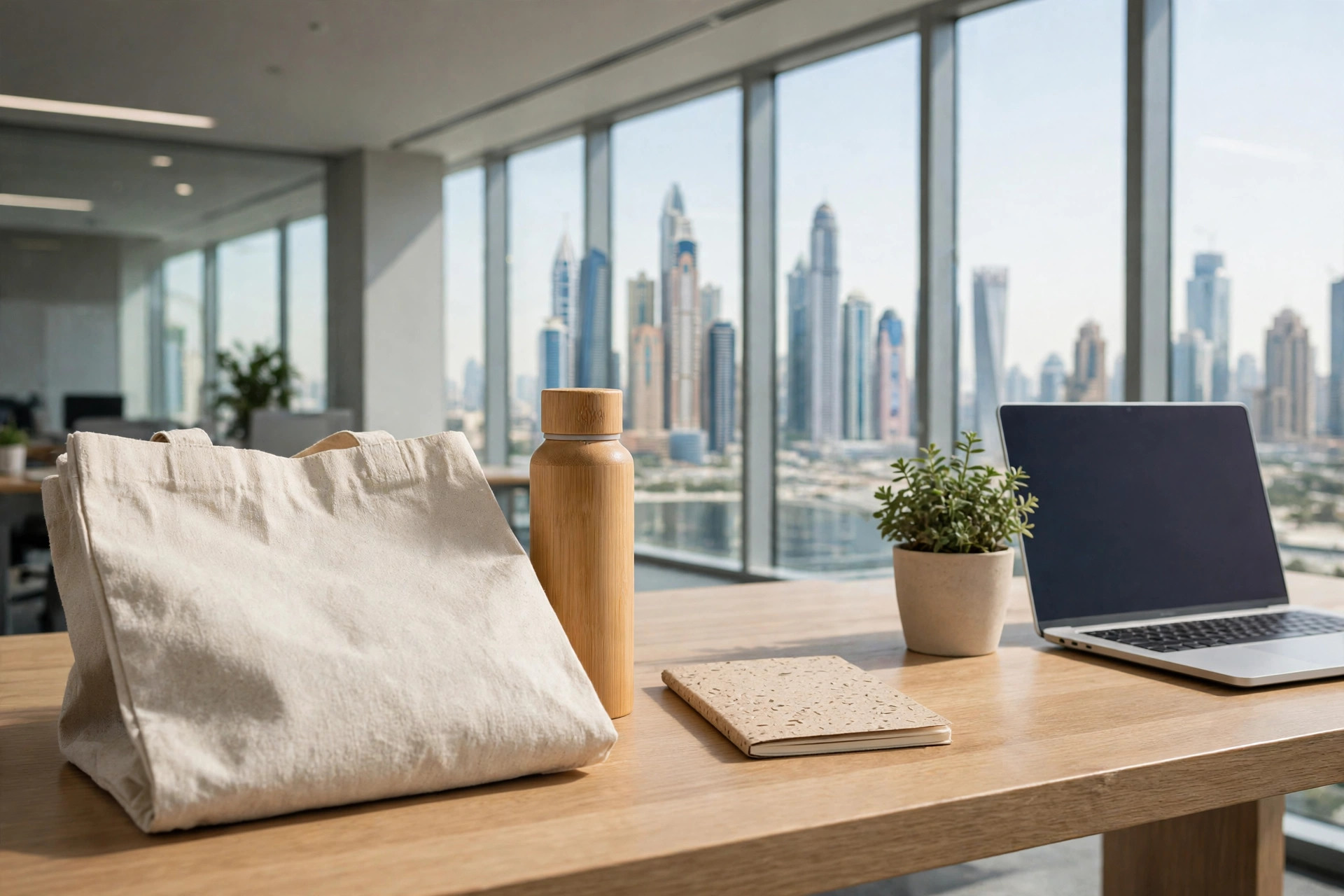
Reusable bottles and tumblers are the flagship of eco merchandise — and for good reason. A branded reusable bottle displaces hundreds of single-use plastic bottles per year per user. Options include bamboo-exterior bottles, recycled stainless steel bottles, rPET sports bottles, wheat-straw cups, and glass bottles with bamboo lids. Drinkware works for every audience — employees, clients, event attendees — and offers a large branding area. In Dubai’s climate, insulated double-wall bottles have particular value: keeping water cold through a summer commute is a daily reminder of the brand that gave it.
Bags and totes
Bags are walking billboards. Jute totes, organic cotton shoppers, rPET backpacks, recycled canvas messenger bags, and drawstring pouches all offer large, visible branding surfaces and long useful lives. Conference and exhibition organisers in the UAE favour eco bags as delegate bags because they are used throughout the event and long after. A quality bag is rarely thrown away, which means your logo keeps travelling — to offices, supermarkets, and gyms across the Emirates.
Stationery and notebooks
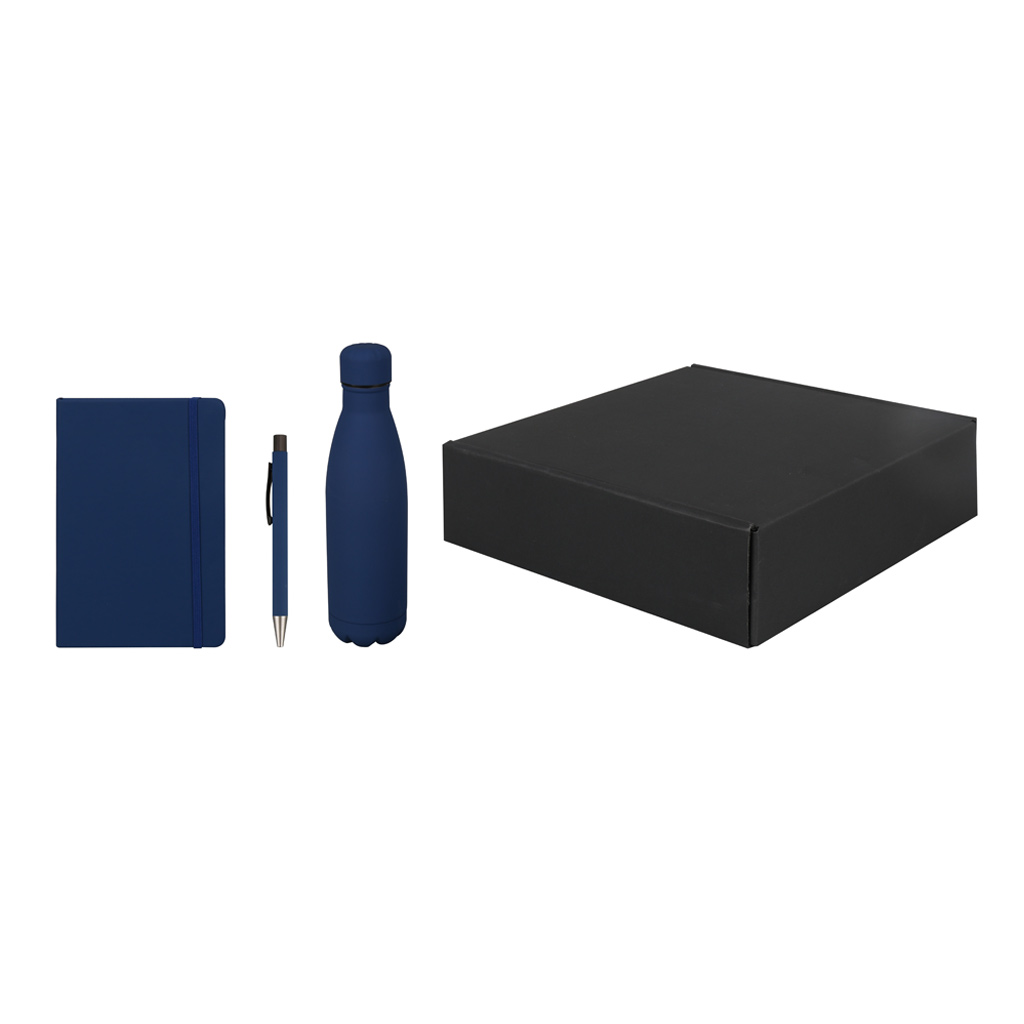
Notebooks with recycled paper interiors and covers in cork, bamboo, recycled leather, or recycled cardboard are perennial corporate favourites. Add pens made from bamboo, wheat straw, recycled paper, or recycled PET, and you have a complete desk set. Stationery suits professional audiences — client onboarding kits, conference speaker gifts, employee welcome packs — and the branding (usually laser engraving or debossing) looks refined rather than promotional.
Tech accessories
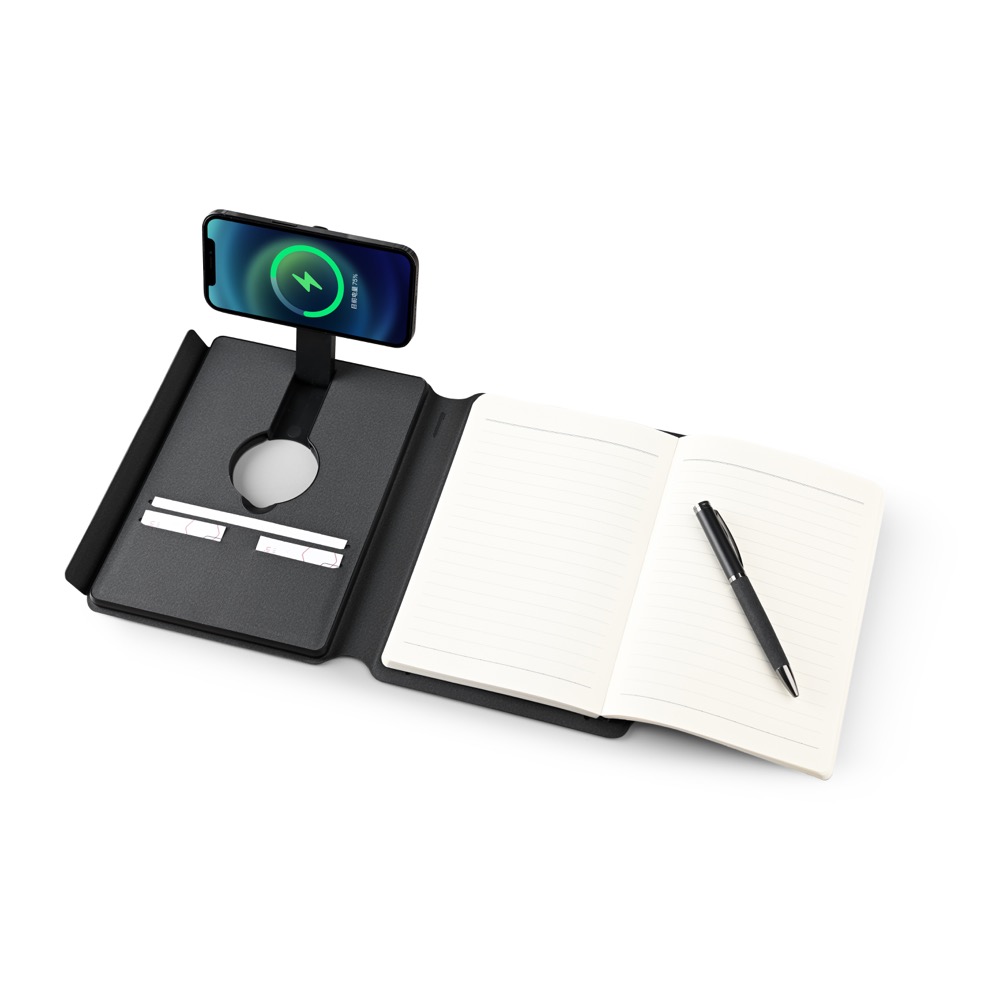
The tech category has embraced sustainability: bamboo wireless chargers, cork phone stands, rPET cable organisers, wheat-straw phone cases, and solar power banks. These items command higher perceived value, making them ideal for executive gifting, VIP client tiers, and speaker gifts. Branding is typically laser engraving, which suits the premium positioning.
Apparel and headwear
Organic cotton t-shirts, rPET polo shirts, recycled cotton caps, and bamboo-fibre socks give brands wearable visibility. Apparel works best for team uniforms, event staff, brand ambassador programmes, and employee engagement initiatives. Embroidery is the go-to branding method — durable, premium-looking, and well-suited to natural fabrics.
Kitchen and dining
Lunch boxes in wheat straw or stainless steel, bamboo cutlery sets, cork coasters and placemats, beeswax wraps, and reusable straw sets tap into the zero-waste lifestyle movement. These are excellent for wellness-themed campaigns, employee sustainability challenges, and family-oriented audiences. They also photograph well for social media, extending campaign reach.
Branding Methods That Suit Natural Materials
One of the most common mistakes in eco merchandise is applying the wrong branding technique. Natural materials behave differently from plastic and coated surfaces. The right method makes your logo look intentional and premium; the wrong one looks cheap or damages the product.
Laser engraving
Laser engraving is the premier branding method for bamboo, wood, cork, stainless steel, and leather. A laser burns or vaporises the surface to create a permanent mark — no inks, no chemicals, no peeling. On bamboo and cork, engraving produces a rich dark tone-on-tone mark that looks effortlessly premium. It is also inherently eco-friendly: no consumable inks, minimal waste. For detailed guidance on what laser engraving can and cannot do, see our article on laser engraving in Dubai.
Best for: bamboo bottles, cork notebooks, wooden phone stands, metal drinkware, keychains. Limitations: single-tone mark only (no full colour); fine detail has minimum size requirements.
Debossing and embossing
Debossing presses your logo into the material (embossing raises it). It is the classic method for notebook covers, leather and recycled-leather goods, and paper packaging. A blind deboss (no ink or foil) is the most sustainable option and looks quietly luxurious. Foil debossing adds metallic colour but introduces foil material — acceptable for most brands, worth noting for the strictest sustainability claims.
Best for: cork and recycled-leather notebook covers, jute bag tags, premium packaging. Limitations: works on materials with enough thickness and give; not suitable for hard bamboo or metal.
Single-colour screen printing
Screen printing pushes ink through a mesh stencil onto the product surface. On jute, cotton, and canvas, a single-colour print is the workhorse of eco merch branding — bold, durable, and cost-effective at volume. Water-based inks are available and preferable for sustainability claims. Single-colour printing also keeps the aesthetic honest: a simple one-colour logo on natural jute looks authentically eco, while a full-colour photographic print on the same bag can look visually confused.
Best for: jute and cotton totes, t-shirts, caps, paper bags. Limitations: each colour needs a separate screen (multi-colour gets expensive); fine gradients are difficult.
Embroidery
Embroidery stitches your logo in thread — the most durable branding method for textiles, outlasting most prints by years. It suits organic cotton apparel, caps, rPET backpacks, and canvas bags. Recycled polyester threads are available for brands that want the thread itself to carry the sustainability story.
Best for: polo shirts, caps, bags, aprons. Limitations: small text is difficult; digitising fees apply per design; not suitable for hard goods.
Choosing the right method: a practical rule
Match the method to the material’s character. Hard natural materials (bamboo, wood, metal, cork) → laser engraving. Soft natural materials (jute, cotton, canvas) → screen print or embroidery. Bound covers (notebooks, organisers) → debossing. When in doubt, ask your supplier for a physical sample with your actual logo — a digital mockup cannot show you how engraving depth or ink absorption will look on the real material.
Greenwashing Warnings: How to Verify Genuine Eco Claims
“Eco-friendly” is one of the most abused terms in the promotional products industry. Greenwashing — making a product sound more sustainable than it is — exposes your brand to reputational risk, especially if you publicise your sustainability efforts. Here is how to verify claims before you order.
Ask for specifics, not adjectives
“Eco pen” means nothing. “Pen with barrel made from 70% wheat straw fibre blended with 30% PP” means something. Credible suppliers provide material composition, recycled-content percentages, and the basis for any claim. If a supplier cannot tell you what percentage of a product is actually recycled or natural, treat the eco label as marketing.
Look for recognised certifications
Third-party certifications are the strongest verification available. Relevant ones in merchandise include GRS (Global Recycled Standard) for recycled content, GOTS (Global Organic Textile Standard) for organic textiles, FSC for paper and wood from responsibly managed forests, and OEKO-TEX for textiles tested for harmful substances. A supplier offering certified products should be able to show the certificate or certification number — not just print the logo on a catalogue page.
Beware the common greenwashing patterns
- The single-attribute stretch: a product that is 5% bamboo fibre and 95% conventional plastic, marketed as a “bamboo product.” The eco attribute is real but trivial.
- The irrelevant claim: “BPA-free” on a product that never contained BPA, or “recyclable” on a multi-material product that no local facility can actually recycle.
- The hidden trade-off: a “biodegradable” bag that only biodegrades in industrial composting facilities that do not exist in the buyer’s market, while its production footprint exceeds the conventional alternative.
- The vague visual cue: kraft-brown packaging and leaf icons with no material information whatsoever. Colour is not a certification.
Check end-of-life honestly
A genuinely sustainable choice considers what happens when the product’s useful life ends. Ask: can this be recycled in the UAE’s actual recycling stream? Is it compostable at home or only industrially? Is it durable enough that end-of-life is years away? Sometimes the most sustainable option is simply the longest-lasting one — a stainless-steel bottle used for five years beats a “biodegradable” bottle replaced every six months.
Keep your own claims modest and accurate
When you communicate about your eco merchandise — in event materials, social posts, or sustainability reports — describe exactly what you bought: “delegate bags made from 100% natural jute” or “notebooks with 80% recycled paper.” Precise claims are credible claims. Grand claims (“100% eco-friendly event”) invite scrutiny you may not survive.
Packaging Considerations
Sustainable merchandise in conventional plastic packaging is a contradiction your recipients will notice immediately. Packaging deserves the same thought as the product itself.
- Eliminate where possible: many eco products (bottles, bags, notebooks) need no individual packaging at all for corporate distribution. Bulk packing in recycled cartons is often sufficient.
- Choose honest materials: recycled kraft boxes, unbleached paper wraps, cotton drawstring pouches, and corrugated cardboard are all on-brand for eco merchandise. Avoid plastic polybags, blister packs, and laminated boxes unless functionally necessary.
- Print packaging sustainably: soy or water-based inks, single-colour prints, and minimal ink coverage keep packaging aligned with the product story.
- Consider the unboxing: for VIP and executive eco gifts, packaging is part of the experience. A bamboo gift set in a recycled kraft box with a debossed lid and a seed-paper thank-you card (plantable after reading) turns sustainability into a memorable moment rather than a compromise.
- Label it: a small card or box print stating the product’s material story (“This bag is made from natural jute — a renewable, biodegradable fibre”) educates the recipient and reinforces your brand’s intention. It also pre-empts the question of whether the “eco” claim is real.
UAE-Specific Notes: Heat, Durability, and Corporate Expectations
Sourcing eco merchandise for the UAE market involves considerations that would not apply in cooler climates.
Heat and material performance
Dubai summer temperatures regularly exceed 45°C, and products left in cars can experience far higher. This affects material choice: wheat-straw bioplastics can warp in extreme heat; natural glues on some bamboo composites can weaken; chocolate-adjacent or wax-based items are obviously unsuitable. For any product that will live in a car or an unshaded outdoor setting, favour heat-stable materials — stainless steel, solid bamboo, cork, jute, and cotton all handle UAE heat well. Always ask your supplier about temperature tolerance for food-contact items.
Humidity and storage
Coastal humidity affects natural fibres. Jute and cotton products stored in non-climate-controlled warehouses can develop mustiness; paper products can warp. Reputable Dubai-based suppliers store stock in climate-controlled facilities — worth confirming for large orders placed months ahead of an event.
Corporate sustainability expectations in the Emirates
UAE government entities and large corporations increasingly include sustainability criteria in procurement. If you are supplying merchandise for a government-linked event or a multinational’s regional activation, expect questions about material sourcing, recycled content, and packaging. Having specification sheets and certification references ready — rather than scrambling when procurement asks — marks you as a professional supplier. Even where no formal requirement exists, aligning with the UAE’s visible national sustainability direction is simply good brand positioning.
Cultural and practical notes
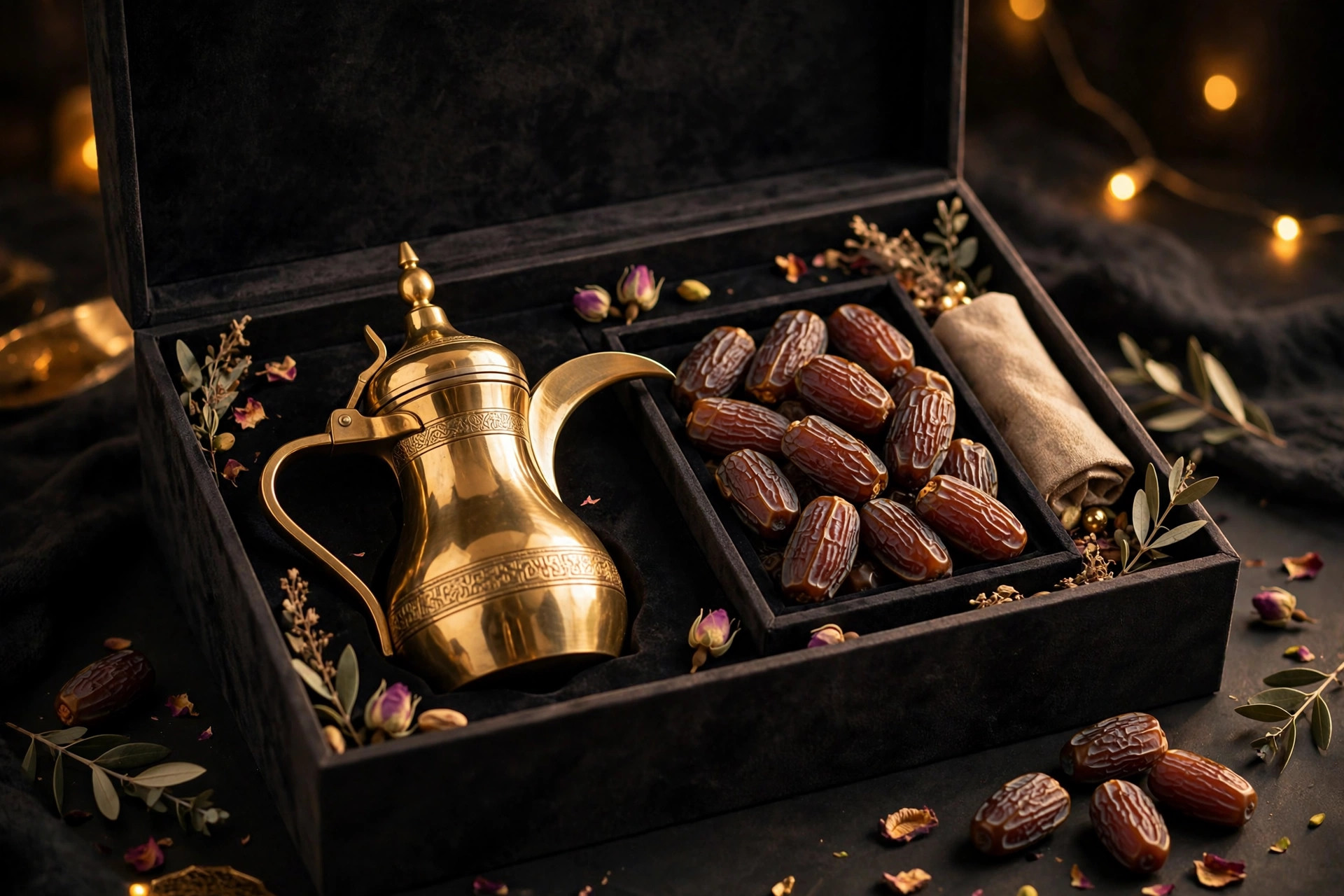
Modest, useful items tend to perform best across the UAE’s diverse corporate audience. Drinkware, quality bags, notebooks, and desk accessories are universally appropriate. Apparel sizing across a multinational workforce needs planning — when in doubt, one-size items (totes, caps with adjustable straps) reduce waste from wrong sizes. And remember Ramadan and Eid gifting seasons: eco-friendly gift sets positioned thoughtfully for these occasions resonate strongly, as generosity and mindfulness pair naturally.
How to Order: MOQs, Samples, and Timelines
Understanding the ordering process prevents the two classic failures of merchandise procurement: ordering too late and ordering blind.
Minimum order quantities (MOQs)
Most branded eco merchandise is customised to order, so MOQs apply. Typical ranges: pens and small items often start at 100–200 pieces; drinkware, bags, and notebooks commonly start at 50–100 pieces; apparel usually starts at 50 pieces per size/colour; premium tech accessories may start as low as 25–50 pieces. Higher quantities almost always reduce the per-unit cost significantly — the price difference between 100 and 500 units can be substantial because setup costs (screens, engraving programming, machine time) are fixed. If your quantity is small, ask about stock items with faster branding methods rather than fully custom manufacture.
Always get a physical sample
For eco merchandise, sampling is non-negotiable. Natural materials vary — bamboo grain, cork texture, jute weave — and your logo will interact with that variation. A pre-production sample lets you check engraving depth and legibility, print colour on the actual fabric tone, product weight and feel, and packaging presentation. For large orders, approve a pre-production sample carrying your actual artwork before the full run begins. The small cost and few days of delay are trivial compared with receiving 1,000 units of merchandise you cannot use.
Realistic timelines
For stock products with standard branding (screen print, engraving) from a Dubai-based supplier, allow 7–14 working days from artwork approval for typical quantities. Fully custom manufacture or large volumes can require 3–6 weeks. Add time for sampling (3–7 days per round), artwork preparation, and delivery. For event-driven orders, work backwards from the event date and add a buffer week — event dates do not move, but production sometimes does. During peak seasons (Q4 gifting, Ramadan/Eid, major exhibitions like GITEX), supplier capacity tightens; ordering early is the single most effective cost and stress control available.
Artwork preparation
Provide your logo in vector format (AI, EPS, or SVG) — this is essential for engraving, debossing, and screen printing. Raster images (JPG, PNG) work only above certain resolutions and never for engraving. If you only have a JPG logo, a good supplier can redraw or vectorise it; confirm this service and any associated cost upfront. Also confirm branding positions, sizes, and colours in writing before production — “logo on the front” is not a specification.
Working with a Dubai-based supplier
Sourcing through a local supplier offers concrete advantages: physical samples without international shipping delays, face-to-face artwork discussions, no customs uncertainty, faster turnaround for urgent event orders, and accountability — a local company stakes its reputation on every delivery. Vision Advertising supplies eco friendly branded merchandise across Dubai from its Deira base, with material guidance, sampling, and branding handled in-house, alongside a broader range of corporate gifts and ready-to-brand eco-friendly gift ideas. For detailed requirements, quantities, and timelines, reach out through our corporate gift contact page — call +971 50 970 9564, email [email protected], or visit us at 38A St, Hor Al Anz, Deira, Dubai, UAE.
Frequently Asked Questions
What is the most popular eco friendly branded merchandise in Dubai?
Reusable drinkware (bamboo and stainless-steel bottles), jute and organic cotton tote bags, and cork or recycled-paper notebooks are consistently the most requested sustainable promotional products in the UAE. They combine daily usefulness with large branding areas and proven durability in the local climate.
How much more does eco friendly merchandise cost compared to conventional?
It varies by product. Wheat-straw and jute items are often price-competitive with conventional equivalents. Organic cotton apparel and solid bamboo products typically carry a moderate premium reflecting material and certification costs. However, because eco items are kept and used longer, the cost per brand impression is frequently lower than disposable alternatives.
How can I verify that a supplier’s eco claims are genuine?
Ask for material composition percentages, recognised certifications (GRS, GOTS, FSC, OEKO-TEX), and specification sheets for each product. Be wary of vague labels like “eco” or “green” without supporting detail, and keep your own marketing claims specific and modest — state exactly what the product is made of.
What is the minimum order quantity for branded eco merchandise?
MOQs depend on the product: small items like pens typically start at 100–200 pieces, drinkware and bags at 50–100 pieces, and apparel at around 50 pieces per size and colour. Larger quantities reduce the per-unit price considerably since branding setup costs are fixed.
Which branding method is best for bamboo and cork products?
Laser engraving is the best choice for bamboo, cork, wood, and metal — it creates a permanent, premium tone-on-tone mark without inks. For notebook covers in cork or recycled leather, debossing is the classic premium option. Always request a physical sample with your actual logo before approving a full production run.
How far in advance should I order eco friendly branded merchandise for an event?
For standard branded products from a Dubai supplier, allow 7–14 working days from artwork approval; custom manufacture or large volumes need 3–6 weeks. Add 3–7 days for physical sampling and a buffer week before your event date. During peak seasons such as Q4, Ramadan/Eid, and major exhibitions, order earlier as supplier capacity tightens.