Healthcare runs on people who work through the night, skip breaks during a surge, and hold a ward together on the hardest days of other people’s lives. When a hospital group, clinic chain or medical distributor in Dubai wants to say thank you, the gift has to be chosen with more care than in almost any other sector. Corporate gifts for healthcare sit at the intersection of gratitude and governance: they must genuinely please the people receiving them, and they must respect strict rules about what medical professionals can accept. This guide covers both sides — the ethics and policies that shape every decision, the items medical teams actually keep and use, and how to plan healthcare gifting in Dubai without wasting budget or causing an awkward compliance conversation.
The audience matters from the start. A gift for a nurse finishing a run of twelve-hour shifts is a different object from a gift for a distribution partner, and both differ again from what you hand a delegate at a medical conference. Get the audience right, keep the value modest and appropriate, choose materials that survive a clinical environment, and healthcare gifting becomes one of the warmest, most welcome gestures in the sector. Get it wrong — an over-valued gift to the wrong person, food left in a clinical area, a plush toy that cannot be disinfected — and a kind gesture turns into a problem someone has to log.
First, the Rules: Ethics and Hospital Gift Policies
Before any product is discussed, one principle has to be stated plainly, because it governs everything in this guide: corporate gifts for healthcare are for appreciation, partnership and events — for thanking staff, marking occasions and building professional relationships. They are never a tool for influencing clinical decisions, prescribing behaviour, procurement choices or referrals. Any gift that could be read as an inducement is the wrong gift, full stop. Reputable suppliers and reputable healthcare organisations in the UAE both work to this line, and planning inside it is not a restriction — it is what keeps a thank-you gesture clean and welcome.
In practice, most hospitals and larger clinic groups in Dubai operate written vendor and gift policies. The details vary, but the common themes are consistent:
- Value limits: many facilities cap the value of gifts their staff may accept from vendors and partners, often at a modest per-item level. A tasteful AED 60 staff gift is welcome in places where an AED 600 hamper would have to be declined or declared.
- Team gifts over individual gifts: gifts addressed to a whole ward, department or clinic team — shared items for a staff room, for example — are usually easier to accept than personal gifts to a named clinician.
- No cash or cash equivalents: gift cards and vouchers are treated cautiously or refused outright in many policies, because they sit too close to a payment.
- Declaration requirements: some organisations require staff to log gifts above a threshold with compliance or HR. A gift that forces a busy nurse into paperwork has failed at its basic job.
- Timing sensitivity: a gift that arrives in the middle of a tender, contract renewal or purchasing decision will be read in that context, however innocent the intention. Appreciation tied to a genuine occasion — a nurses’ celebration, a clinic opening, a conference — reads very differently from the same item delivered during a procurement window.
The practical takeaway for anyone buying: ask. A short conversation with the facility’s administration, HR or procurement contact — “we would like to send a small thank-you for the team; what does your policy allow?” — takes five minutes and prevents every awkward outcome. Facilities appreciate being asked, and the answer usually makes the choice simpler, not harder. For staff employed by your own organisation, of course, the position is different: internal appreciation gifts for your own nurses, technicians, receptionists and support teams are a normal, encouraged part of healthcare culture, and most of this guide is written with those teams in mind.
What Healthcare Teams Actually Keep and Use
Medical staff work in an environment that destroys ordinary merchandise. Gifts are sanitised, washed at high temperatures, carried through twelve-hour shifts, left in lockers, and used in buildings where infection control shapes every object. The items that survive — and get genuinely appreciated — share certain traits: they are useful during a shift, they clean easily, and they are good enough quality that a professional is happy to be seen with them.
Drinkware built for long shifts
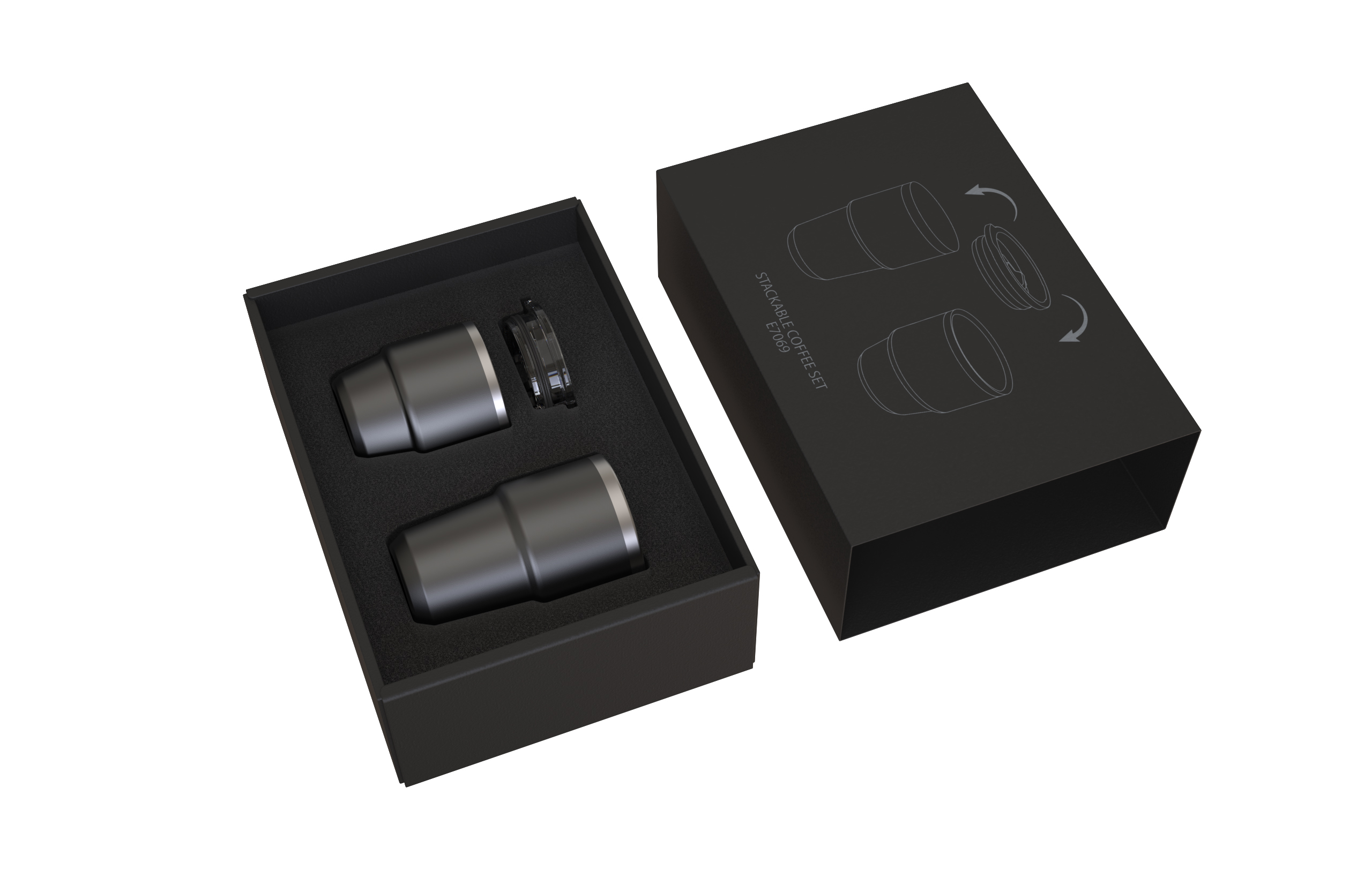
If one category leads healthcare gifting, it is quality drinkware. Nurses, doctors and technicians hydrate opportunistically — a bottle that keeps water cold through a full shift, seals completely in a bag, and can be wiped down or washed properly will be used daily for years. Insulated stainless-steel bottles and tumblers with smooth, non-porous finishes are the strongest choice: they tolerate constant washing, do not hold odours, and carry engraving that never peels. Size matters too — a 750ml or 1-litre bottle suits a long shift better than a small promotional bottle that needs refilling every hour. For staff rooms, a set of quality mugs is a shared gift that lands well and sidesteps individual-value questions entirely.
Notebooks and pens that survive the ward
Clinical work still runs on handwritten notes — handovers, observations, lists that never make it into the electronic record. A well-made notebook with a wipeable cover and paper that does not bleed through is a gift staff genuinely reach for, and pens disappear on wards at a rate that makes a good pen a small luxury. Choose smooth, sealed pen bodies that can be sanitised, and avoid novelty shapes that are hard to clean. A notebook-and-pen set is one of the most reliable healthcare staff appreciation gifts precisely because it is consumed in the work itself.
Power banks and practical tech
On-call staff live on their phones — for rosters, results, family contact during long shifts, and the hundred small coordinations of a hospital day. A certified, good-capacity power bank is one of the most appreciated items a medical professional can receive, provided it is a quality unit with proper safety certification rather than the cheapest available cell in a printed shell. The same applies to charging cables and small tech organisers: useful every single day, easy to brand subtly, and small enough to sit comfortably within gift-policy values. Tech gifts for healthcare staff should always be specified like equipment, not like giveaways — check the certification, the capacity honesty and the warranty before the logo is even discussed.
Apparel, with a clinical eye
Branded apparel works in healthcare when it respects how clinical clothing is actually worn and washed. Think beyond the basic t-shirt: quality polo shirts for clinic reception and admin teams, embroidered fleece or softshell layers for staff who move between air-conditioned buildings, and caps or sun protection for community-health and ambulance teams who work outdoors in UAE heat. Where apparel touches clinical work, note the compression-friendly, smooth-fabric principle: garments should be close-fitting enough not to dangle near patients or equipment, made from fabrics that tolerate frequent hot washing, and free of embellishments that can harbour contamination or snag. Embroidery is the natural branding method here — it survives industrial laundry cycles that destroy printed logos within months.
Wellness items for the people who provide wellness
There is an obvious, kind logic to giving wellness gifts to healthcare workers: hand care that survives constant sanitising, quality lip balm for air-conditioned wards, herbal teas for the staff room, a decent eye mask for day-sleeping night staff. Keep fragrances mild or absent — strong scents are unwelcome in clinical environments and can trouble patients — and choose sealed, hygienic formats over open jars or handmade-style products. A small, well-chosen wellness set says “we know what your hands go through” in a way a generic hamper never will.
Gifts by Audience: One Sector, Four Different Jobs
The single biggest mistake in this sector is buying one gift for every audience. Corporate gifts for healthcare only work when each group gets something chosen for its own reality and its own rules.
Frontline clinical staff
Nurses, doctors, technicians, therapists and support staff are the emotional heart of healthcare gifting. For your own teams, the strongest gifts for hospital staff are the shift-proof practical items above: insulated bottles, notebooks, power banks, quality apparel and wellness sets, presented personally by a manager with a genuine thank-you. Presentation matters more than price — a AED 70 bottle handed over with specific words of recognition at a team huddle means more than a AED 200 box left in a locker room. For staff at partner facilities, remember the policy discussion: modest values, team-addressed gifts, and a prior check with administration.
Admin, reception and back-office teams
The people who run appointments, billing, records and patient flow are the least-gifted group in most healthcare organisations and often the most delighted to be remembered. Desk-friendly items work here: good notebooks, desk organisers, quality drinkware, plants for the office (in non-clinical areas), and the small tech accessories that make a workstation better. When a clinic group onboards a new facility, kitting out the whole admin team consistently — the same approach used in a good employee welcome kit — builds a sense of one organisation from day one.
Partners, distributors and referring networks
Medical distributors, equipment partners, pharmacy networks and service providers sit in a commercial relationship, so the gifting is closer to classic B2B practice — with the sector’s caution applied. Keep values moderate and defensible, tie gifts to occasions (a partnership anniversary, a product launch event, the festive seasons), and favour quality desk and travel items over anything personal or lavish. Premium notebooks, leather goods, quality drinkware and well-made tech accessories are the safe, appreciated territory. When in doubt about a specific partner’s internal policy, the same rule applies: ask, and keep the answer on file for next year.
Medical conference and CME delegates
Dubai hosts a heavy calendar of medical conferences, exhibitions and continuing-medical-education events, and delegate gifting is its own discipline. Medical conference gifts need to be light enough to carry all day, useful during the event itself, and cleanable — delegates move between exhibition halls, workshops and clinical site visits. The proven set: a good notebook and pen for session notes, a quality lanyard with a breakaway safety clasp (a detail healthcare audiences notice and appreciate), a compact power bank, and a tote or document bag that fits a laptop and a folder of proceedings. Our conference gifts guide covers delegate gifting in depth; the healthcare-specific additions are hygiene-cleanable materials and branding subtle enough for a professional audience that is sceptical of heavy marketing.
The Healthcare Gifting Calendar in Dubai
Healthcare appreciation has its own rhythm through the year, and planning around it beats the last-minute scramble that produces generic gifts. The anchor dates for most Dubai healthcare organisations:
- International Nurses Day, 12 May: the single most important appreciation moment in the sector. Nurses are the largest workforce in any hospital, and a thoughtful, well-organised Nurses Day gesture — drinkware, wellness sets, a team celebration with recognition awards — is remembered all year. Order by early April; every healthcare supplier’s calendar fills around this date.
- Doctors’ Day and profession-specific days: several facilities mark doctors’ and other professional days through the year — a smaller, more personal tier of gifting suits these.
- Ramadan: the UAE’s central gifting season applies in healthcare too, with the practical note that many staff are fasting — schedule presentations considerately, favour gifts for the team and family rather than food consumed on the spot, and expect rosters to be tighter. Dates and food gifts belong at home or in staff rooms, never in clinical areas.
- Clinic openings and facility launches: a new clinic or wing opening is a natural gifting moment for partners, referring doctors and the founding team — welcome kits, commemorative items and opening-day delegate gifts all fit here.
- Medical conferences and CME seasons: the big Dubai healthcare exhibitions and conference periods concentrate delegate and speaker gifting into a few intense weeks — production slots for quality items go early.
- Staff appreciation weeks and internal milestones: many hospital groups run their own appreciation weeks, long-service awards and accreditation celebrations (a passed inspection or new certification is a genuinely proud moment for a clinical team). Recognition items such as custom medals and engraved awards carry these occasions well.
- Year-end: a quieter, simpler thank-you suits December in healthcare, where rosters run through the holidays — schedule deliveries around the fact that the building never closes.
One calendar habit separates organised healthcare gifters from the rest: they plan Nurses Day and Ramadan in January. Both dates are fixed, both involve the whole workforce, and both punish late ordering with whatever stock happens to remain.
Hygiene-Safe Materials and Branding That Survives Sanitiser
Infection control is not a detail in this sector; it is the environment. A gift that cannot be cleaned does not belong in a clinical building, however attractive it looks in a catalogue. When choosing clinic gifts in Dubai, run every item through three questions: Can it be wiped down or washed properly? Is the surface non-porous? Will it still look good after a month of sanitiser, hot washing and daily handling?
Materials that pass comfortably: stainless steel and powder-coated metal (drinkware, pens, keyrings), glass, sealed silicone, smooth PU and genuine leather for non-clinical use, and quality woven fabrics that tolerate hot laundry. Materials to keep out of clinical areas: plush and soft toys, untreated wood, cork and other porous surfaces, fabric items that cannot be washed, and anything with crevices, glued embellishments or flaking finishes. Porous and plush items can still have a place — in a head-office reception or a partner’s desk — but they should never be the default for ward-facing gifts.
Branding method matters just as much, because alcohol-based sanitiser and industrial laundry are brutal on decoration. The methods ranked by survival in healthcare environments:
- Laser engraving: etched into metal or glass, impossible to peel, fade or wash off, and it adds no surface layer for contamination to sit under. The first choice for drinkware and instruments-adjacent items.
- Embroidery: thread worked into fabric; survives hundreds of hot washes and looks more professional than print on clinical and admin apparel.
- Debossing on leather and PU: a pressed mark with no ink to crack or lift — well suited to notebooks and partner gifts.
- UV and screen printing: fine for conference items, packaging and non-clinical merchandise, but expect printed logos on bottles and apparel to degrade under sanitiser and laundry long before the product itself wears out. If the item will be washed or sanitised weekly, do not print it.
Where sustainability is part of the brief — increasingly common in larger UAE health groups with ESG reporting — the hygiene rules still lead: a bamboo or recycled item that cannot be cleaned properly is not a healthcare gift. Our eco-friendly gifts range includes stainless steel, glass and washable options that satisfy both agendas at once.
Budgets: What Healthcare Gifting Typically Costs in Dubai
Healthcare gifting budgets are usually set by audience tier, and the policy environment keeps them sensible. These are planning ranges based on typical Dubai orders, not fixed prices:
- Frontline staff appreciation (own teams): AED 40–120 per person covers the strong territory — quality insulated bottles, notebook-and-pen sets, wellness sets, embroidered apparel pieces. Nurses Day programmes for a whole facility usually sit here, with volume doing the work: MOQs for drinkware and apparel typically start at 50–100 pieces, which suits ward-by-ward rollouts.
- Admin and support teams: AED 40–100 per person for desk and tech items, often ordered alongside the frontline programme for fairness — visible equality between clinical and non-clinical staff matters in healthcare culture.
- Partners and distributors: AED 100–250 per gift for premium notebooks, leather goods, quality tech and presentation sets — moderate, occasion-tied, and documented. Anything above this band deserves a policy check on both sides before it is ordered.
- Conference delegates: AED 35–90 per delegate kit (lanyard, notebook, pen, tote, compact power bank at the top of the band), produced in runs of 100–500+. Speaker and VIP gifts sit higher, AED 150–300, in very small quantities.
- Recognition and long service: AED 80–200 per award for engraved pieces and quality presentation items, in small runs where per-unit setup costs are simply part of the maths.
Lead times follow the normal Dubai pattern with a healthcare twist: standard branded items take 5–7 working days after artwork approval, embroidered apparel 7–10 working days, and conference or Nurses Day volumes should be locked three to four weeks ahead because the whole sector orders at once. The cheapest sentence in healthcare gifting is the one said in January: “let us book the May production slot now.”
Mistakes That Undermine Healthcare Gifts
- Ignoring the recipient facility’s gift policy. An over-valued gift that has to be declined embarrasses everyone and can end a vendor relationship’s goodwill in one delivery. Modest, team-addressed, policy-checked gifts never cause this problem.
- Food gifts in clinical settings. Chocolates and hampers left on a ward counter breach infection-control practice and get removed. Food belongs in staff rooms, offices and homes — labelled, sealed and delivered to the right place.
- Strong fragrances. Scented candles, perfumes and heavily fragranced wellness products are unwelcome around patients and many clinical staff. Mild or unscented, always.
- Plush, porous or uncleanable items for clinical areas. If it cannot be wiped or washed, it does not go on a ward.
- Printed branding on items that get sanitised. A logo that peels after three weeks of hand-sanitiser contact advertises the opposite of quality. Engrave or embroider anything that lives in a clinical routine.
- Forgetting the non-clinical majority. Porters, cleaners, receptionists, lab runners and records staff keep a hospital running; appreciation programmes that only reach doctors and nurses are noticed, and not kindly.
- Timing a partner gift into a tender window. However innocent, it will be read as an attempt to influence. Tie partner gifting to occasions, never to decisions.
- One gift for every audience. A delegate freebie handed to a senior nurse, or a staff gift sent to a distribution partner, tells both audiences the gesture was not thought through.
Frequently Asked Questions
Are there rules about giving gifts to hospital staff in Dubai?
Yes. Most hospitals and large clinic groups have vendor gift policies that cap acceptable values, prefer team gifts over individual ones, and exclude cash equivalents. Gifts must always be appreciation, never an attempt to influence clinical or purchasing decisions. If you are gifting staff at a facility you do not work for, check the policy with their administration first — it takes one short conversation.
What are the best gifts for hospital staff who work long shifts?
The items staff consistently keep are insulated stainless-steel bottles that hold temperature through a twelve-hour shift, quality notebooks and sealed pens for handovers, certified power banks for on-call staff, and wellness items such as serious hand care for sanitised hands. Choose easy-clean, non-porous materials and engraving or embroidery for branding, because printed logos do not survive clinical washing and sanitiser.
What should we avoid when buying clinic gifts in Dubai?
Avoid food gifts in clinical areas, strong fragrances, plush or porous items that cannot be disinfected, over-valued gifts that breach facility policies, and anything timed to land during a tender or contract decision. Also avoid printed branding on items that will be washed or sanitised weekly — it degrades fast and looks worse than no branding.
How far ahead should we order for Nurses Day or a medical conference?
For International Nurses Day on 12 May, place orders by early April at the latest — the whole sector orders simultaneously and production slots fill. For medical conference gifts, three to four weeks before the event is comfortable for delegate kits in the hundreds; speaker gifts in small quantities can move faster, but artwork approval and lanyard or bag production still need a clear two weeks.
Can healthcare gifts be sustainable as well as hygienic?
Yes, if the materials are chosen properly. Stainless steel, glass, recycled-metal items and washable natural-fibre bags can all be cleaned to clinical standards, which is where some eco materials fail — porous items such as untreated wood or cork do not belong in clinical areas. State both requirements to your supplier up front and ask which products genuinely meet both.
What is a sensible budget per person for healthcare staff appreciation gifts?
For your own teams, AED 40–120 per person covers the gifts staff value most — quality drinkware, notebook sets, wellness items and embroidered apparel — and sits comfortably within the spirit of sector policies. Partner gifts typically run AED 100–250 and should be occasion-tied and checked against the partner’s own policy. Delegate kits for conferences usually land between AED 35 and AED 90 per person at volume.
Gratitude, Given the Healthcare Way
Healthcare gifting rewards the buyers who slow down for one extra step: checking the policy, asking what the team actually needs, and choosing materials that respect the environment the gift will live in. Do that, and the result is the rarest thing in corporate gifting — a gift that is used every day, by people whose work deserves exactly that thoughtfulness. The wider principles in our guide to corporate gifts for employees apply here too, and our main corporate gifts in Dubai guide shows the full range these healthcare programmes are built from.
If you are planning Nurses Day gifts, a clinic opening, a conference presence or a partner thank-you, Vision Advertising can help you build a programme that is policy-safe, hygienic and genuinely appreciated — produced from our base in Hor Al Anz, Deira and delivered across Dubai and the UAE. Call us on +971 50 970 9564 to talk through your audience, your quantities and the policies you are working within, and we will recommend items that your teams will still be using long after the occasion has passed.