Few promotional items have had a decade like the tote bag. What began as a humble reusable shopping carrier has become a fixture of exhibitions, conferences, retail and corporate gifting across the Emirates — and custom tote bags in Dubai now appear everywhere from GITEX giveaways to boutique retail counters. For businesses, the appeal is obvious: a large, flat print area, a genuinely useful product that recipients keep, and a strong sustainability story in a region working hard to cut single-use plastics.
This guide is written for the procurement, marketing and HR professionals who actually place these orders. It compares the four main materials (cotton, canvas, jute and non-woven), explains the print methods that suit each, covers sizes, handles and construction details that separate a premium bag from a throwaway one, and shows how custom tote bags earn their keep at exhibitions, in welcome kits and in everyday brand campaigns. If you are comparing tote bags with other merchandise, you will also find pointers to complementary items such as custom mugs in Dubai and the wider range of promotional products in Dubai so your exhibition kit looks like one family, not a jumble of unrelated freebies.
Why Custom Tote Bags Have Become a UAE Marketing Staple
Several forces converged to make the customised tote bag a default choice in the UAE:
- The single-use plastic shift. The Emirates have progressively restricted single-use bags, pushing retailers and consumers toward reusables. A branded tote is therefore not just advertising — it fills a real daily need at the supermarket, the gym and the office.
- Exhibition culture. Dubai hosts some of the world’s largest trade shows. Every exhibitor needs a carrier for brochures and samples, and every visitor collects several bags a day. The bag that survives the week (and looks good doing it) keeps working long after the show closes.
- A generous branding canvas. Both faces of a tote are flat, unobstructed print areas — far larger than a mug or a pen. Designers can use real artwork, not just a shrunken logo.
- Perceived value across budgets. Tote bags exist at every price point, from lightweight non-woven carriers for mass giveaways to heavy canvas shoppers that retail brands sell. Few items scale so smoothly.
Tote Bag Materials Compared: Cotton, Canvas, Jute and Non-Woven
The material decides the bag’s look, strength, print quality, eco story and cost. Here is how the main four compare.
Cotton Tote Bags
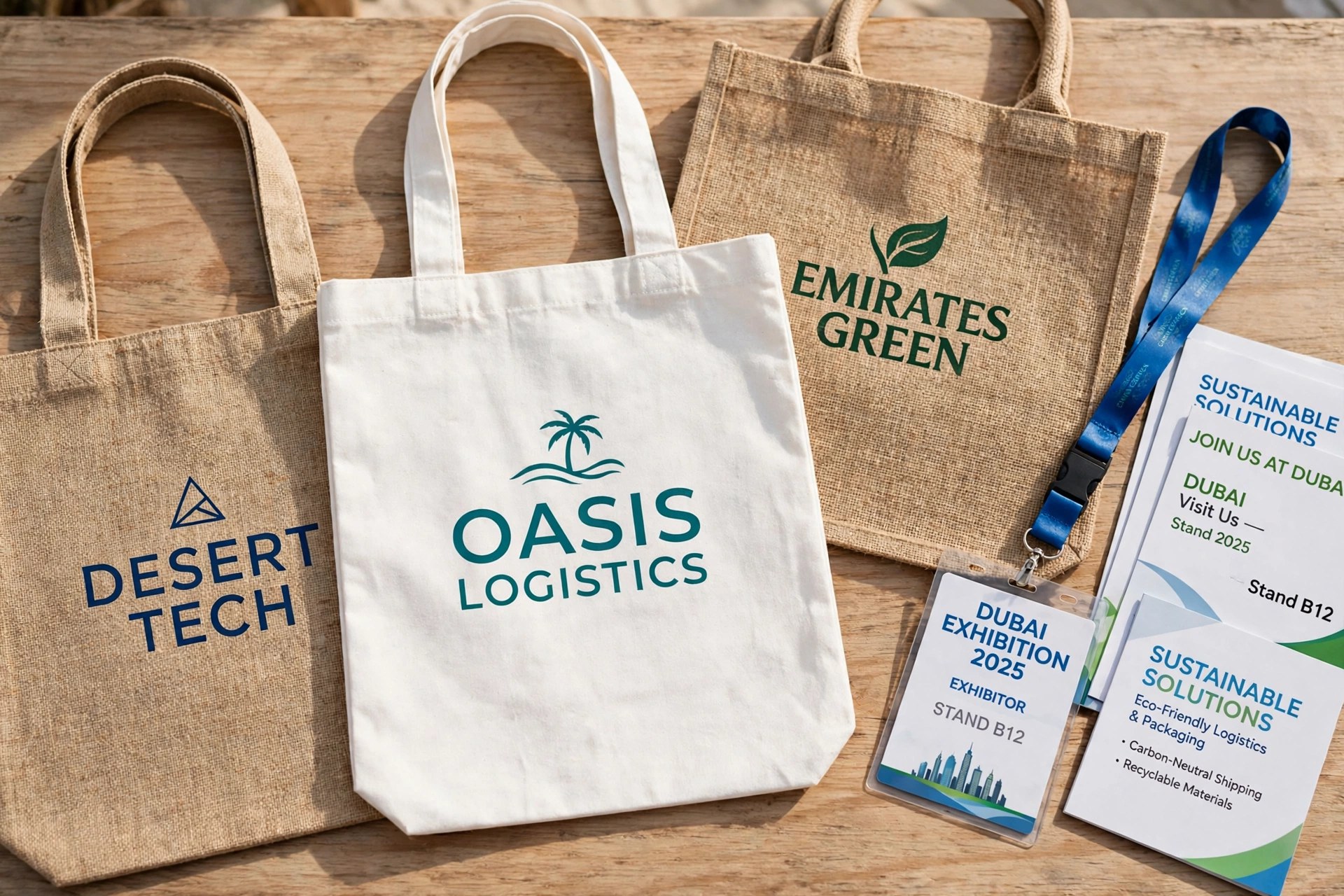
standard cotton totes (typically 140–180 GSM) are the classic conference bag: light, foldable, soft to carry and easy to print. Natural (unbleached) cotton has an organic, earthy tone; white cotton gives the cleanest background for full-colour designs; dyed cotton matches brand colours. Cotton is biodegradable and washable, which supports the eco message. Its limits: thin cotton creases easily and is not built for heavy loads — for a bag expected to carry laptops and catalogues daily, step up to canvas.
Canvas Tote Bags
Canvas is a heavier, tightly woven cotton (commonly 10–16 oz, roughly 280–450 GSM) with a structured, premium feel. Canvas totes hold their shape, carry serious weight, survive years of use and take print and embroidery beautifully. Retailers, bookshops, universities and premium brands favour canvas because the bag itself feels like a product, not a giveaway. It is the most expensive of the common options and the heaviest to ship in bulk, but for client gifts, staff bags and retail merchandise it is usually the right investment.
Jute Tote Bags
Jute — the golden natural fibre also used for hessian — gives a rustic, unmistakably eco look. Jute bags are strong, biodegradable and popular with organic food brands, nurseries, eco initiatives and Ramadan or sustainability-themed campaigns. Many jute shoppers are laminated inside for stiffness and wipe-clean practicality, and are often combined with cotton canvas handles or trim. Printing on jute is typically one or two colours in bold designs, because the coarse weave does not hold fine detail. If your brand story leads with natural and sustainable, jute makes the point before a word is read.
Non-Woven Tote Bags
Non-woven polypropylene bags are the volume workhorses of the exhibition world: extremely light, very economical at quantity, available in a rainbow of stock colours, and reasonably water-resistant. They are made from spun-bonded synthetic fabric rather than woven yarn, which is why they cost so little. The honest trade-offs: they feel less premium, are not biodegradable (though they are reusable many times and recyclable in principle), and suit simpler print designs. For mass handouts where the goal is a visible logo across a show floor, non-woven remains a rational choice; for gifts and retail, choose a natural fibre instead.
Quick Selection Logic
- Mass exhibition giveaway, tight budget → non-woven or light cotton.
- Conference bag that should look professional → mid-weight cotton or cotton-canvas blend.
- Premium gift, retail sale or staff bag → canvas.
- Eco campaign with a natural story → jute, organic cotton or recycled cotton.
Print Methods for Custom Tote Bags
Screen Printing
The default for tote bags and the best value for one-to-three-colour designs at quantity. Ink sits on the surface with strong opacity — important on natural and coloured fabrics. Bold logos, line art and typography reproduce crisply on cotton and canvas; on jute, keep designs bold and simple.
Digital / DTF Transfer Printing
Full-colour artwork, photographs and gradients are handled by digital printing or DTF transfers. This is how you print a detailed illustration, a campaign visual or a multi-colour logo on smaller runs without paying for many screens. Colour vibrancy on natural fabrics is slightly softer than on white — worth a sample if colour-matching is critical.
Embroidery
Stitched logos elevate canvas totes into gift territory. Embroidery is priced by stitch count, so it suits compact chest-style logos placed on a pocket or upper corner rather than full-face designs.
Foil and Specialty Finishes
Metallic foil logos, puff prints and reflective inks appear on fashion-led totes. They cost more and need care in washing, but for a retail collaboration or a VIP gift bag they can be exactly the point.
Whichever method you choose, supply vector artwork and approve a sample on the real material. Colours behave differently on natural cotton, white cotton and jute — a two-minute sample check prevents a thousand-bag surprise.
Sizes, Handles and Construction Details That Matter
Two bags with the same material can differ enormously in usefulness. When comparing quotes for custom tote bags in Dubai, look beyond price to these specifications:
Dimensions
Common sizes include compact shoppers around 30 × 35 cm (documents and light items), the classic 38 × 42 cm conference tote (fits A4 folders and a laptop sleeve), and oversized 45 × 40 cm exhibition bags with room for catalogues and samples. Always match the bag to its cargo: an A4 conference folder needs an internal width comfortably above 21 cm plus seam allowance.
Gussets
A gusset — the folded panel at the sides or bottom — converts a flat envelope into a bag with real volume. Bottom-and-side gussets are near-essential for exhibition bags carrying boxed samples, bottles or thick brochures. Flat totes are fine for documents and apparel.
Handles
Short handles (around 25–30 cm drop) suit hand-carrying and look tidy in photos. Long handles (60–70 cm) allow shoulder carrying — far better for exhibitions where visitors’ hands are full. Reinforced cross-stitch (the “X-box” pattern) at handle attachments is the detail that prevents the classic failure of a handle tearing away under load. Padded or canvas-webbing handles raise comfort and perceived quality on premium bags.
Closures and Extras
Zips, snap buttons and Velcro tabs keep contents secure for staff and travel use; internal pockets hold phones and cards; a small external pocket is perfect for a business card or event badge. These extras cost little at production and noticeably raise how long a recipient keeps the bag — the same logic that makes a well-planned employee welcome kit in Dubai feel premium rather than perfunctory.
Custom Tote Bags at Exhibitions and Conferences
The exhibition floor is where tote bags prove their value, and where planning pays off most visibly.
Design for distance. Your bag will be seen from three to five metres, often half-obscured in a crowd. One strong logo, one short line of text, and a confident colour block beat a busy design every time. Consider printing the reverse side differently — a pattern, a hashtag or a QR code to your digital catalogue — so the bag works from both angles.
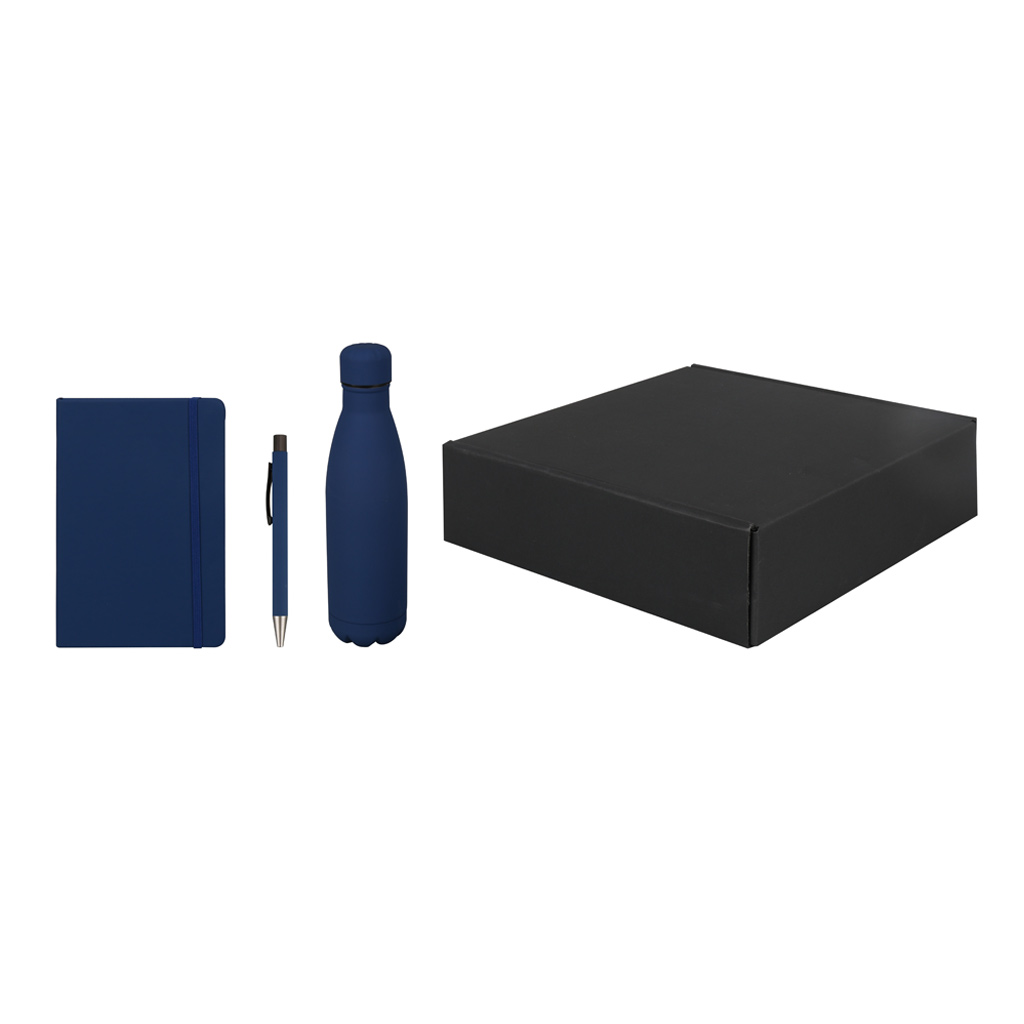
Coordinate the kit. The tote is usually the carrier for everything else: brochures, a notebook, a pen, perhaps a mug or a water bottle for VIP visitors. Ordering the set together keeps colours consistent and avoids the classic problem of inserts that do not fit the bag. Think of the tote as packaging as much as product.
Plan quantities honestly. Footfall is not the same as meaningful conversations. A common approach is a two-tier strategy: a lighter, economical bag for general stand visitors, and a premium canvas version for registered delegates, speakers and serious prospects. This keeps budgets sane while rewarding the contacts that matter.
Mind the logistics. Totes ship flat and light, which makes them one of the easiest items to move between emirates or store for the next event — another reason they outperform bulkier giveaways for companies exhibiting in both Dubai and Abu Dhabi.
The Eco Angle: Making an Honest Sustainability Claim
Tote bags are frequently bought because of their environmental story, so it is worth making that story accurately. A reusable bag only helps the planet if it is actually reused — which circles back to quality: a sturdy canvas or cotton bag used for years is a genuine win, while a flimsy bag discarded after one event is not, whatever fibre it is made from. When marketing your bags:
- State the material plainly (organic cotton, recycled cotton, jute, rPET from recycled bottles) and any certification your supplier can document.
- Encourage reuse in the design itself — a bag people find attractive gets carried.
- Avoid vague claims like “100% eco-friendly” for synthetic non-woven bags; describe them honestly as reusable alternatives to single-use carriers.
For companies building a broader sustainable merchandise programme, tote bags pair naturally with reusable drinkware such as custom mugs in Dubai, bamboo-fibre items and recycled notebooks.
Tote Bags in Corporate Gifting and Welcome Kits
Beyond events, customised tote bags in Dubai have two reliable corporate roles. First, as the container for gift sets: a canvas tote filled with a notebook, mug, and treats presents better (and gets reused longer) than a disposable gift box. Second, as a gift in its own right: a well-made canvas shopper with a tasteful, small logo is something employees and clients genuinely use at weekends, which is exactly why restrained branding outperforms loud advertising on lifestyle items. If the primary audience is your own team, treat the tote as part of the wider bundle of promotional products in Dubai — consistent artwork across the bag, bottle and apparel multiplies the branding effect of each piece.
Care Instructions Worth Printing (or Sharing)
A small care card — or a line in your post-event email — extends the life of natural-fibre bags: wash cold inside out, avoid tumble drying printed areas, iron on the reverse side, and spot-clean jute rather than soaking it. Recipients rarely mind these notes; a bag that survives washing with its print intact quietly advertises your quality standards.
Ordering Custom Tote Bags in Dubai: What Affects Cost and Timing
The price of a tote order is driven by material and weight, bag size and construction (gussets, zips, pockets), print method and number of colours/positions, and quantity — per-unit cost falls significantly as volumes rise, particularly with screen printing. Minimum quantities are generally accessible for standard cotton and non-woven bags, while premium canvas styles with custom construction may need larger runs. As a general planning guide, standard printed totes are often achievable within one to two weeks of artwork approval, with custom-made bags (special sizes, dyed fabrics, added features) taking longer. The fastest route to an accurate answer is a tight brief: material, size, quantity, artwork, deadline and delivery location. For a complete event kit, the team at Vision Advertising can coordinate bags with the rest of your merchandise; enquiries are welcome through the shop or contact page.
Tote Bags for Retail, Hospitality and Community Brands
Exhibitions are only one chapter of the tote story in the UAE. Retailers were the first to feel the effect of single-use bag restrictions, and branded reusable shoppers have become part of the shopping experience itself: cafés, bakeries, bookshops, pharmacies and fashion boutiques across Dubai now hand over — or sell — sturdy printed carriers that customers happily reuse on the school run and the weekly shop. For a small business, a good tote does double duty as packaging and as a loyalty signal; buyers frequently report that customers return with the bag, which is precisely the repeat exposure money cannot easily buy.
Hospitality and real estate brands use them differently again: as welcome carriers for guest amenities, homeowner handover kits and event goodie bags, where a canvas bag printed with a restrained logo feels closer to a gift than to packaging. Community organisations, schools and sports clubs favour them for kits and fundraisers, because one design serves every age group and the unit economics work at school-fair quantities as comfortably as at corporate volumes. The thread connecting all of these uses is the same: choose construction quality appropriate to how long you want the bag — and your logo — to stay in circulation.
Common Mistakes When Ordering Custom Tote Bags
Most disappointing tote orders fail in predictable ways. Watch for these:
- Ordering by price alone. The thinnest bag with single-stitched handles may halve the quote, but it also halves the bag’s working life — and a torn giveaway reflects worse on the brand than a smaller quantity of good bags.
- Skipping the loaded test. Fill the sample with the actual brochures, bottles or boxes it must carry and lift it by the handles. Ten seconds of testing beats any spec sheet.
- Artwork sized for paper, not fabric. Tiny text and hairline details that look elegant on a brochure turn muddy on natural cotton and disappear entirely on jute. Scale designs up and simplify.
- Ignoring the reverse side. A blank back is a wasted billboard; a pattern, a map of your locations or a QR code costs little extra.
- Colour surprises on natural fabric. Ink on unbleached cotton prints darker and warmer than the same ink on white. Approve a physical sample in the exact material before a full run — this one step prevents most colour disputes.
- Forgetting the audience’s day. An exhibition visitor already carrying three bags needs long handles and a bag that folds into a pocket of their existing load; a retail customer needs strength for groceries. Match the format to the real use.
Frequently Asked Questions About Custom Tote Bags in Dubai
Which tote bag material is best for exhibitions?
For high-volume handouts, light cotton or non-woven bags balance cost, print quality and carrying comfort. If the bag must carry heavy catalogues or will represent a premium brand, step up to canvas with reinforced handles and a gusset — it survives the day and keeps being used afterwards.
Can tote bags be printed with a full-colour design?
Yes. Digital printing and DTF transfers reproduce full-colour artwork, gradients and photographs on cotton and canvas. Screen printing remains the most economical choice for simple one-to-three-colour logos at larger quantities, and bold designs work best on coarse materials like jute.
What size tote bag fits A4 documents and a laptop?
A bag around 38 × 42 cm with a bottom or side gusset comfortably carries A4 folders, and most laptops up to 15 inches in a sleeve. Check the internal width rather than the outer measurement, and choose long handles if visitors will carry the bag over the shoulder all day.
Are custom tote bags a good eco-friendly giveaway?
They can be — when they are made well enough to be reused many times. Organic or recycled cotton, canvas and jute have the strongest sustainability stories. The greenest tote is the one people keep using, so invest in construction quality and an attractive design rather than the thinnest possible bag.
How many tote bags should I order for an event?
Base the number on registered attendees or realistic stand footfall rather than total show visitors, and consider a two-tier approach: economical bags for general visitors and premium canvas bags for key prospects and speakers. Adding a modest spare buffer covers late registrations and replacements.
Conclusion
Custom tote bags in Dubai succeed because they sit at the intersection of usefulness, visibility and sustainability: a big print canvas that people carry through exhibitions, supermarkets and streets across the UAE. Choose the material for the job — non-woven or light cotton for volume, canvas for premium and longevity, jute for an unmistakably natural story — print it boldly, and sweat the construction details like gussets and reinforced handles. Vision Advertising (Hor Al Anz, Deira, Dubai) supplies custom tote bags alongside full exhibition and gifting kits; for advice on materials, quantities and timelines, call +971 50 970 9564 or email [email protected].