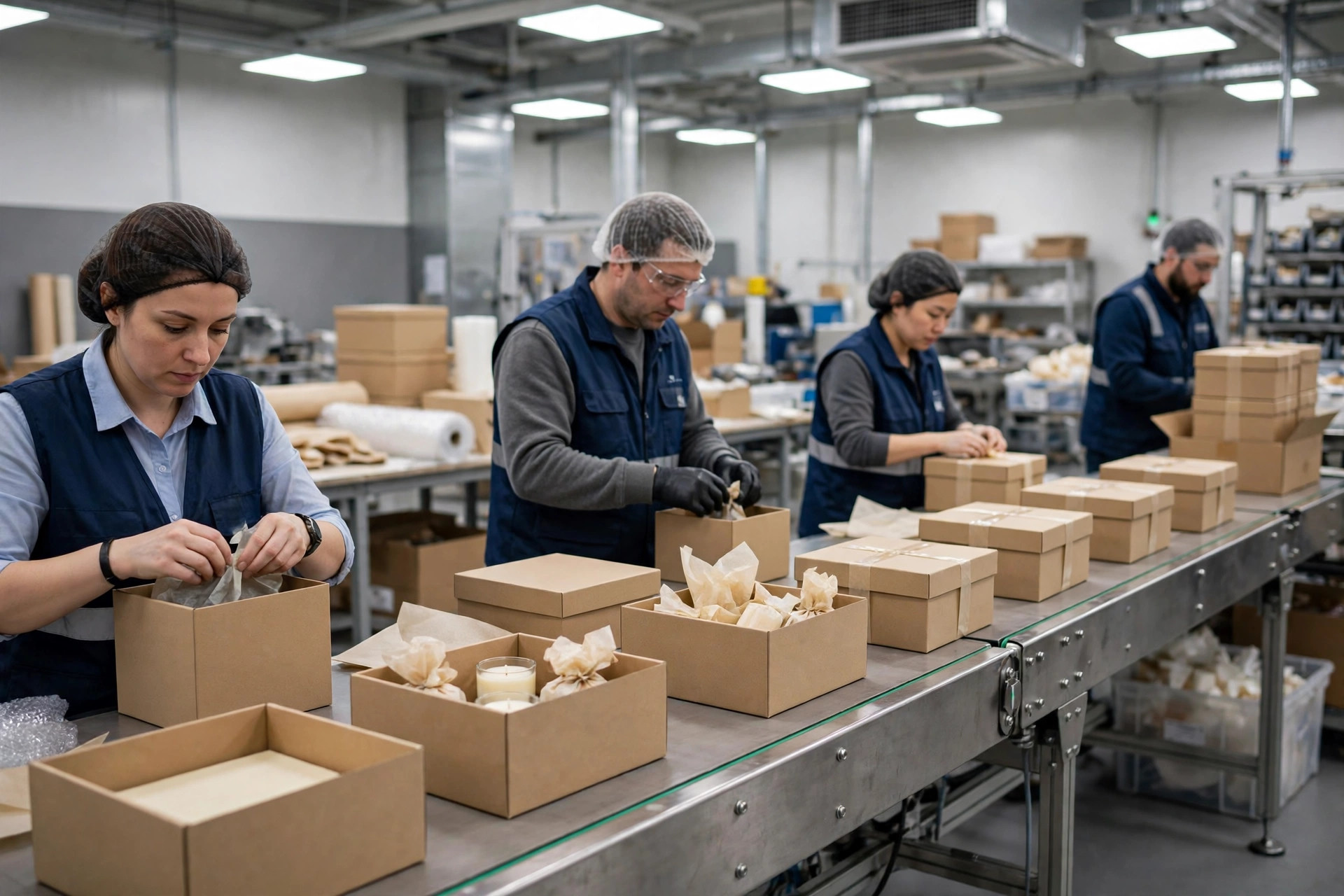
Most corporate gifts in Dubai are bought from catalogues: you choose an existing product, add your logo, and place the order. But some companies need something more — a product designed to their specification, manufactured in their colours, with their branding built in from the start rather than applied afterwards. That is where OEM (Original Equipment Manufacturing) comes in.
Working with an OEM gifts supplier in Dubai opens up possibilities that catalogue buying cannot: truly unique items competitors cannot copy, products engineered around your brand identity, and at sufficient volumes, better unit economics. It also introduces complexity — tooling, sampling rounds, longer timelines, and quality control — that catalogue buyers never face.
This guide explains how OEM gifting works, how it differs from private label and white label approaches, what the process looks like step by step, and how to choose the right OEM gifts supplier in Dubai for your project.
What Does OEM Mean in Corporate Gifting?
OEM — Original Equipment Manufacturer — describes an arrangement where a factory manufactures products to your design and specification, which you then brand and distribute as your own. In the corporate gifting context, this means going beyond “pick a bottle and print our logo” to “design the bottle (or the gift set, or the tech accessory) we want, and have it manufactured for us.”
A concrete example: instead of buying a standard power bank and UV-printing your logo on it, an OEM project might specify the capacity, the casing colour matched to your brand palette, a custom shape or texture, your logo moulded into the casing, and bespoke packaging — resulting in a power bank that exists nowhere else in the market.
OEM vs simply “customized”: the industry uses “custom” loosely. Adding your logo to a catalogue item is customization; having the item itself made to your specification is OEM. The distinction matters because the processes, timelines, minimums, and costs are entirely different. When briefing suppliers, be precise about which you mean — it avoids mismatched expectations on both sides.
Why companies choose OEM gifting: uniqueness (competitors cannot buy the same item), brand alignment (colours, materials, and details matched exactly to brand guidelines), perceived value (a bespoke item feels more premium than a catalogue one), and at scale, cost efficiency (cutting out catalogue markups on large volumes).
Why companies avoid it: longer timelines, higher minimum quantities, upfront investment in tooling and sampling, and the management overhead of a manufacturing project. OEM is a strategic choice, not a default — it suits flagship campaigns, large-volume programmes, and brands for whom differentiation justifies the effort.
OEM vs Private Label vs White Label vs Custom Manufacturing
These terms are often used interchangeably, but they describe meaningfully different arrangements. Understanding them helps you brief suppliers accurately and choose the right model.
OEM (Original Equipment Manufacturing)
You provide (or co-develop) the design and specification; the manufacturer produces it for you. You own the design relationship — the product is made to your brief. Tooling and moulds may be created specifically for your project. This offers maximum differentiation and maximum complexity.
Best for: flagship corporate gifts, large programmes (typically 1,000+ units), brands with strict identity requirements, items where the product itself must be unique.
Private Label Gifts
A manufacturer produces a standard product, but it is branded exclusively as yours — your logo, your packaging, your brand story. The underlying product may also be sold to others under different labels, but your version is presented as your own brand. Think of supermarket own-brand products: same factory, different labels.
Best for: companies wanting a branded product line (for resale or large-scale gifting) without the investment of original design. Lower minimums and faster timelines than full OEM.
White Label Gifts
Very similar to private label — a generic product sold to multiple buyers who each brand it as their own. In gifting, “white label” often describes catalogue items where the supplier’s branding is removed and yours applied. The least differentiated option, but the fastest and simplest.
Best for: speed and simplicity when differentiation matters less than branding presence.
Custom Manufacturing (the umbrella term)
“Custom manufactured gifts” is often used as a general term covering OEM and private-label production — any arrangement where products are made to order rather than picked from stock. When a Dubai supplier advertises custom manufacturing, ask which model they mean: the answer determines timelines, minimums, and how unique your final product will be.
How to choose: match the model to your goals. Need 200 impressive client gifts next month? White label or catalogue customization. Launching a signature gift programme for 5,000 employees annually? Private label or OEM. Creating a one-of-a-kind VIP gift that embodies your brand? Full OEM. There is no universally “best” option — only the best fit for your timeline, volume, and ambition.
What Kinds of Gifts Can Be OEM-Sourced?
Almost any gift category can be manufactured to specification, but some lend themselves to OEM particularly well:
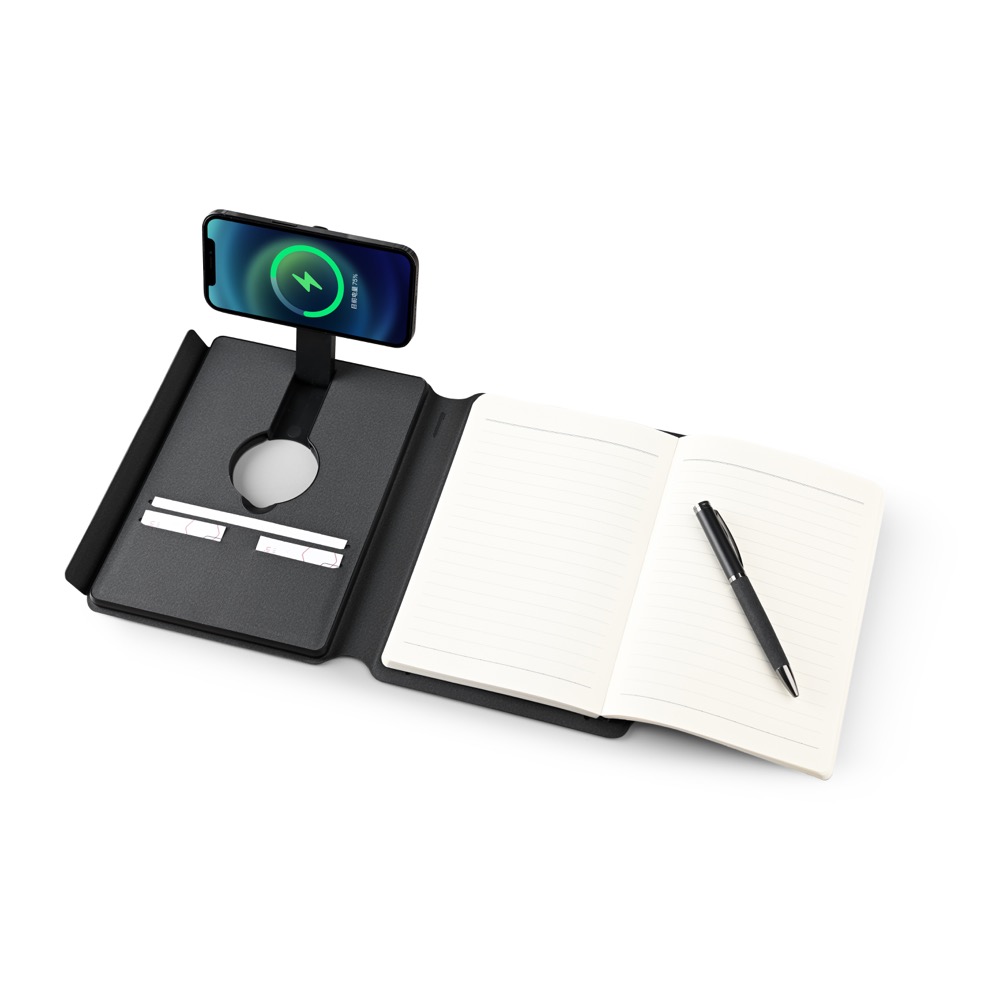
Tech accessories: power banks, wireless chargers, Bluetooth speakers, USB drives, earbuds — the category where OEM is most common, because specifications (capacity, features, casing) are easily customized and volumes justify tooling.
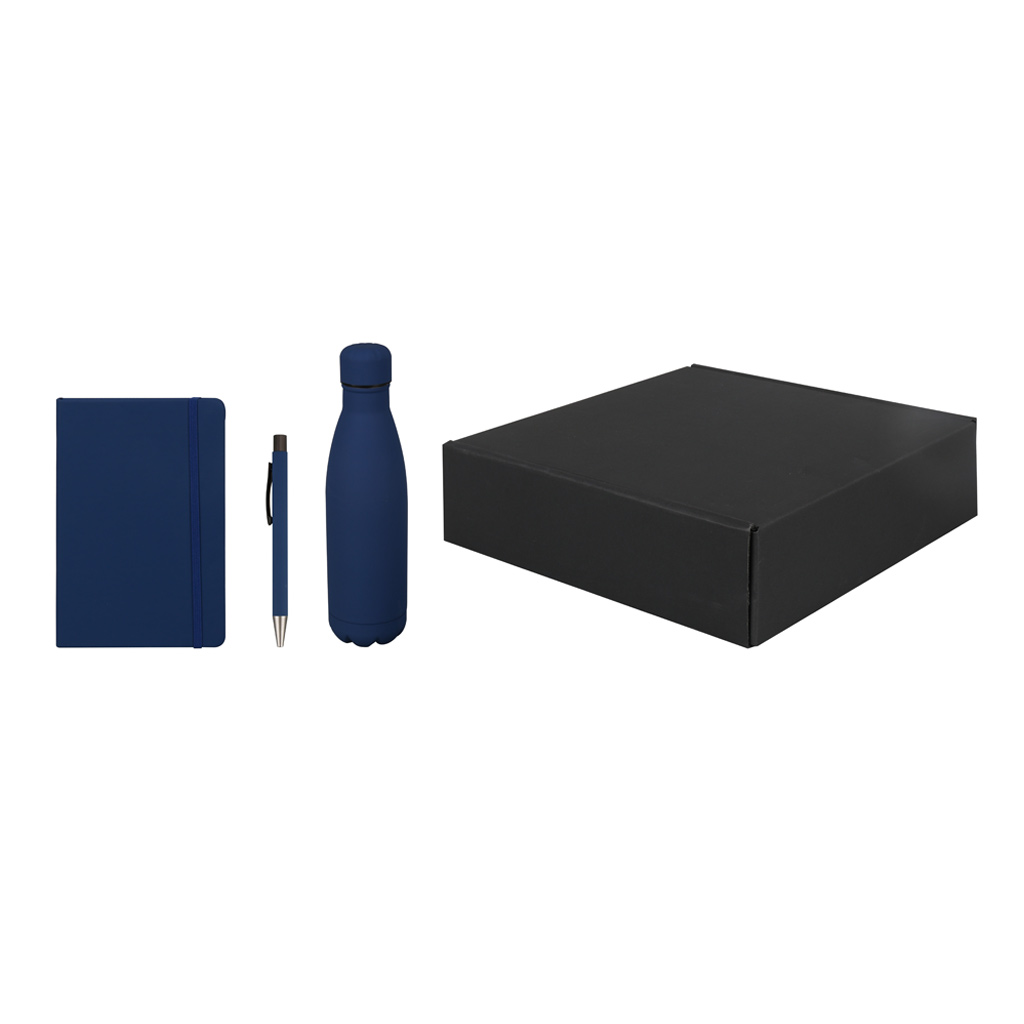
Drinkware: bottles and tumblers in custom colours, shapes, and finishes; lids and accessories designed to match; gift sets combining multiple drinkware pieces in bespoke packaging.
Bags: backpacks, tote bags, laptop sleeves, and travel organisers manufactured in your fabrics, colours, and dimensions, with custom linings, zips, and hardware.
Stationery and desk items: notebooks with custom covers, paper, and binding; pen designs exclusive to your brand; desk organisers and accessories in matched materials.
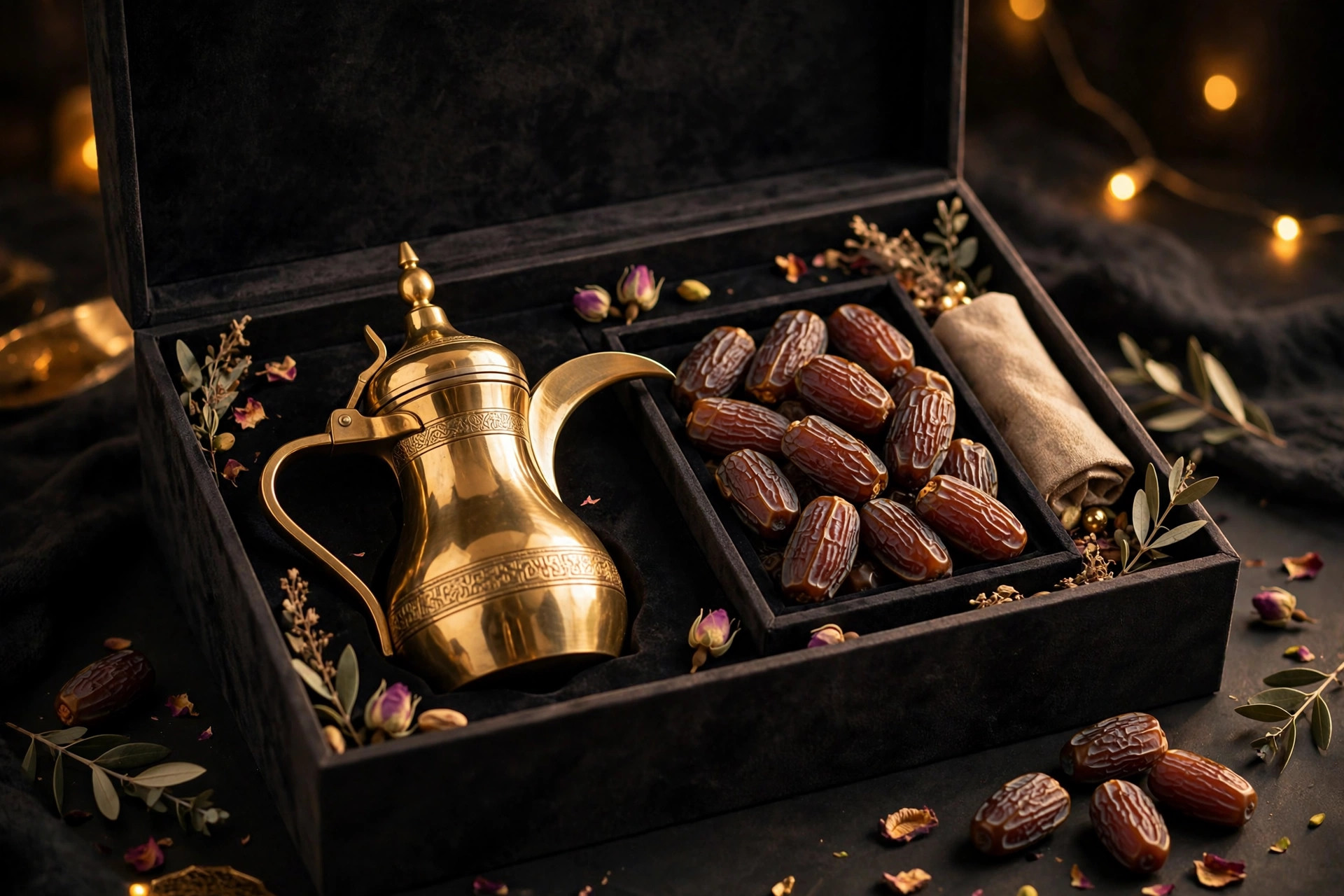
Gift sets and packaging: bespoke rigid boxes, custom inserts moulded to your items, coordinated tissue, ribbons, and sleeves — packaging is often the most cost-effective OEM investment, because it transforms even catalogue items into a unique presentation.
Awards and recognition items: custom-designed trophies, plaques, and awards manufactured to commemorate specific achievements or anniversaries — inherently one-of-a-kind pieces.
Apparel and textiles: uniforms, polos, and caps manufactured to your specification in your fabrics and colours, with woven labels and custom trims.
What OEM does not suit: one-off or very small quantities (tooling costs cannot be amortized), extremely urgent timelines (manufacturing takes weeks to months), and items where catalogue options already meet your needs perfectly (don’t manufacture what you can buy).
Gifts Manufacturers in the UAE: Local vs Overseas Production
When people search for gifts manufacturers in the UAE, they are usually weighing a practical question: should production happen locally, or overseas with a Dubai-based supplier managing it?
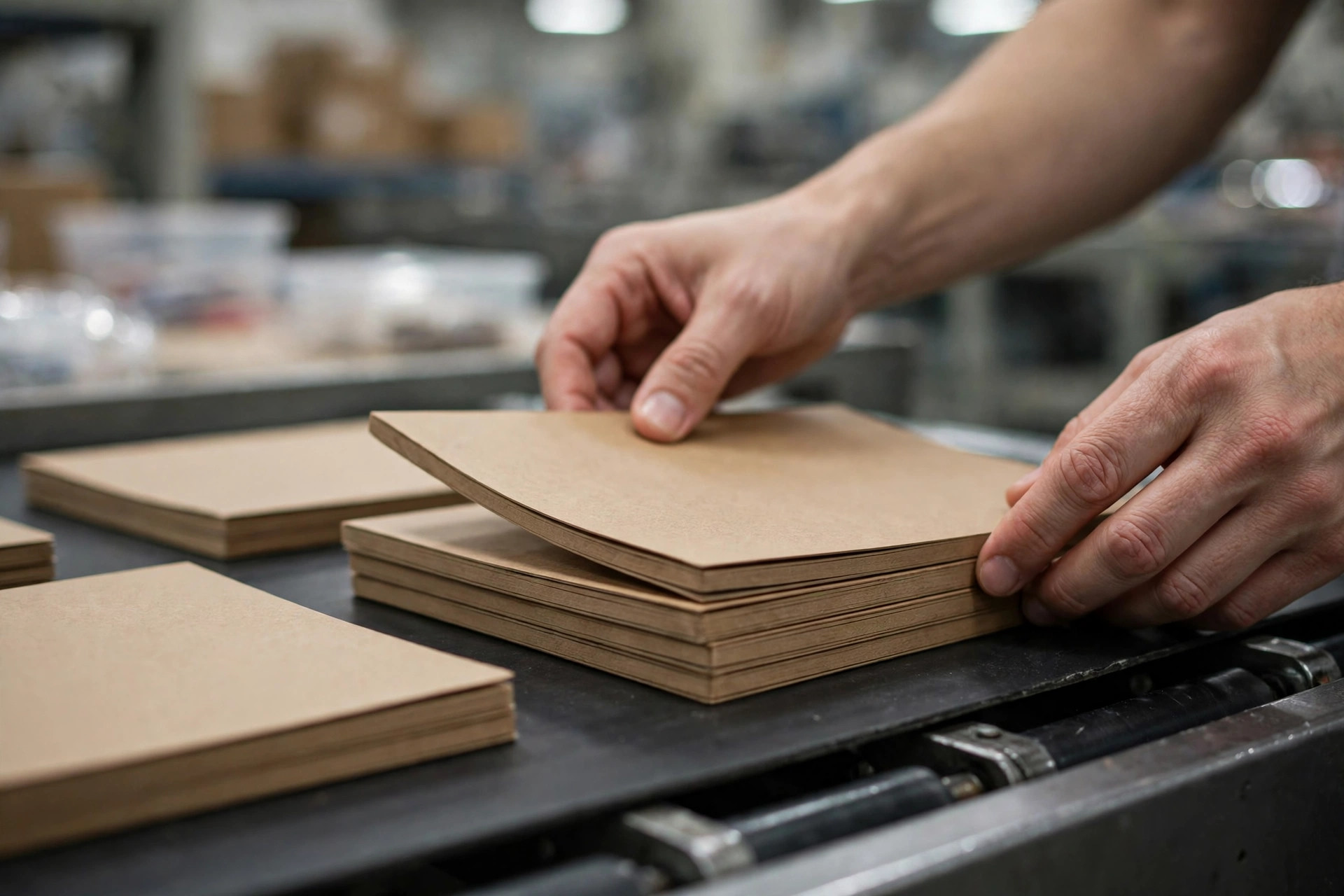
The UAE manufacturing landscape: the Emirates has growing capabilities in printing, packaging, assembly, engraving, and light manufacturing. Full product manufacturing (electronics, complex plastics, textiles at scale) is more limited domestically — many “UAE manufacturers” are actually assemblers, finishers, and customizers working with imported components. This is not a criticism; final assembly, quality control, branding, and packaging in Dubai still deliver meaningful advantages.
Advantages of local production and finishing: speed (no international shipping for the finished goods), oversight (you can visit the facility and inspect production), flexibility (changes and rush adjustments are feasible), communication (same timezone, often same language), and the “finished in UAE” narrative.
Advantages of overseas manufacturing managed from Dubai: broader factory options, deeper specialization in categories like electronics and textiles, and at large volumes, significant cost advantages. The trade-off is longer timelines, shipping logistics, and less direct oversight — which is precisely why experienced Dubai-based OEM suppliers add value: they manage factory relationships, quality control, and logistics that would be difficult to handle directly.
The hybrid model most Dubai suppliers use: components or base products manufactured overseas to specification, with final branding, assembly, quality checking, and packaging done in Dubai. This balances cost, quality control, and timeline — and it is worth understanding when a supplier describes themselves as a manufacturer, so your expectations match reality.
What to ask: where will each stage of production happen? Can you visit the facility? Who handles quality control, and to what standard? How are defects handled? The answers reveal whether you are dealing with a genuine manufacturing partner or a middleman — and middlemen are not inherently bad, as long as they add real value in sourcing, QC, and logistics rather than just margin.
Custom Product Sourcing in Dubai: The Process Step by Step
Whether you work with a dedicated OEM gifts supplier in Dubai or a full-service corporate gifts company managing the project, the custom product sourcing process typically follows these stages:
Stage 1: Briefing and Feasibility
You describe what you want: the item type, intended use, recipient, quantity, budget range, timeline, and brand requirements. The supplier assesses feasibility — can this be manufactured? At your quantity? Within your timeline and budget? Honest suppliers will tell you when a brief is unrealistic and suggest alternatives. This stage should include a frank discussion of which model (OEM, private label, white label) fits.
Stage 2: Design and Specification
The concept is translated into detailed specifications: dimensions, materials, colours (with Pantone or physical references), features, branding positions and methods, and packaging. For original designs, this may involve product designers and technical drawings; for private-label projects, it means selecting base products and specifying customizations. Get specifications in writing — ambiguity here becomes disputes later.
Stage 3: Sampling
Samples are produced — sometimes in multiple rounds. The first sample validates the concept; subsequent rounds refine details. Never skip sampling, and never approve a sample casually: check every detail against your specification, because the approved sample becomes the production benchmark. For complex items, expect two to three sample rounds; build this into your timeline.
Stage 4: Tooling and Pre-Production
If your project needs moulds, dies, or custom tooling, these are created and tested. A pre-production sample (made with final tooling) confirms everything works before the full run. Tooling is often a separate cost item — clarify who owns the tooling and what happens to it after your project.
Stage 5: Production
The full run is manufactured. For large orders, reputable suppliers conduct in-process quality checks, not just final inspection — catching problems mid-run is vastly cheaper than discovering them in 10,000 finished units.
Stage 6: Quality Control and Inspection
Finished goods are inspected against the approved sample and specification. Define your acceptable quality level in advance: what defect rate is acceptable, and what happens to defective units (rework, replacement, credit)? Get this in writing before production, not after a problem appears.
Stage 7: Branding, Assembly, and Packaging
Depending on the project, branding may happen during manufacturing or as a separate finishing stage in Dubai. Gift sets are assembled, packaging applied, and final presentation checked.
Stage 8: Delivery
Goods are delivered to your office, event venue, or distribution point. Confirm delivery logistics early — large OEM runs may need staged deliveries, storage, or direct-to-recipient fulfilment.
Your role as the buyer: the supplier manages production, but you own the brief, the approvals, and the timeline. Respond to proof and sample requests promptly — buyer delays are the most common cause of missed OEM deadlines, and they are entirely avoidable.
For context on how branding methods fit into this process, our guide to UV printing in Dubai explains one of the most common finishing techniques for custom-manufactured items.
MOQs in OEM Production: What to Expect
Minimum order quantities are the reality check of every OEM project. They exist because manufacturing has fixed costs — tooling, setup, production line time — that must be spread across enough units to make the project viable.
Typical ranges (indicative, not promises): private-label projects with light customization might start from a few hundred units; products requiring custom tooling or moulds typically need 1,000+ units; complex electronics or fully original designs often need several thousand. These vary enormously by category, factory, and specification — treat any number a supplier gives you as specific to your project, not a general rule.
Why MOQs vary: a custom rigid gift box might have a modest MOQ because box manufacturing setup is straightforward; a custom-shaped Bluetooth speaker needs expensive tooling and electronics sourcing, pushing minimums higher. Material choice matters too — unusual materials may themselves have supplier minimums that drive the project MOQ.
Strategies when your quantity is below MOQ: simplify the customization (private label instead of full OEM); share tooling costs across multiple projects or years; choose base products closer to your vision to reduce custom work; or reconsider whether catalogue customization with premium packaging achieves 80% of the impact at 20% of the complexity. Our MOQ explainer covers these tactics in detail.
The honest conversation: tell your supplier your real quantity upfront. Inflating numbers to get a project started wastes everyone’s time when the purchase order arrives smaller — and experienced suppliers can often suggest a workable approach for your actual volume if they know it from the start.
Timelines: Sampling, Tooling, Production, and Shipping
OEM timelines are the most common source of disappointment, almost always because buyers underestimate them. Here is a realistic breakdown:
Sampling: 1–3 weeks per round, with most projects needing 2–3 rounds. Complex items take longer; simple private-label customizations can be faster. Each round includes production of the sample, shipping (if manufactured overseas), your review, and feedback.
Tooling: 2–6 weeks depending on complexity. Moulds for plastics, dies for metalwork, and custom electronics all take time to create and test properly. Rushing tooling produces defects that haunt the entire production run.
Production: 2–6 weeks for typical runs once tooling and samples are approved. Larger quantities and more complex items take longer. In-process quality checks add time but prevent disasters.
Shipping and finishing: if manufacturing overseas, allow 2–4 weeks for sea freight (faster and more expensive by air). Dubai-based finishing — branding, assembly, packaging, quality control — typically adds 1–2 weeks.
Total realistic timeline: 8–16 weeks from brief to delivery for a typical OEM project, longer for complex or very large ones. Anyone promising significantly less should be asked exactly which stages they are compressing — and whether quality survives the compression.
Planning implication: OEM gifting is a strategic, calendar-driven activity. Brief your supplier a full quarter (or two) before you need the goods. Last-minute OEM is a contradiction in terms — if your timeline is tight, catalogue customization with premium branding is the professional choice, not a compromise.
Quality Control and Compliance: Protecting Your Brand
When your logo goes on a manufactured product, its quality is your brand’s quality. A faulty power bank or a peeling print does not embarrass the factory — it embarrasses you. Quality control is therefore not a manufacturing nicety; it is brand protection.
Define standards upfront: the approved sample is your benchmark — document it with photos and written specifications. Agree on acceptable defect rates and, crucially, what happens when defects exceed them: rework, replacement, partial credit, or order cancellation. These terms belong in writing before production begins.
Inspection stages: the strongest QC programmes inspect at multiple points — raw materials or components on arrival, in-process checks during production, and final inspection of finished goods. For large orders, third-party inspection services exist and are worth considering; for Dubai-managed production, ask whether you can inspect in person.
Compliance for tech items: electronic gifts (power banks, chargers, speakers) should meet relevant safety standards — ask about certifications for batteries and electronics. Reputable suppliers source compliant components as a matter of course; if a supplier is vague about certifications on tech items, treat that as a serious warning sign.
Packaging QC: inspectors often focus on the product and neglect the packaging — but crushed boxes, misaligned sleeves, and smudged printing undermine the entire gift. Include packaging in your inspection criteria explicitly.
Branding on OEM Products: Built In, Not Bolted On
One of OEM’s genuine advantages is that branding can be integrated into the product rather than applied afterwards:
Moulded and debossed branding: logos moulded into plastic casings, debossed into leather, or etched into metal during manufacturing look and feel more premium than any applied print — and they cannot peel, fade, or scratch off.
Colour-matched products: manufacturing to your exact brand colours (specified by Pantone reference or physical sample) creates a cohesion that catalogue items rarely achieve. A gift in your precise corporate colour, not “approximately blue,” signals attention to detail.
Custom packaging as branding: bespoke boxes, sleeves, and inserts designed around your brand identity often deliver more visual impact than the product branding itself — the unboxing experience is where first impressions form.
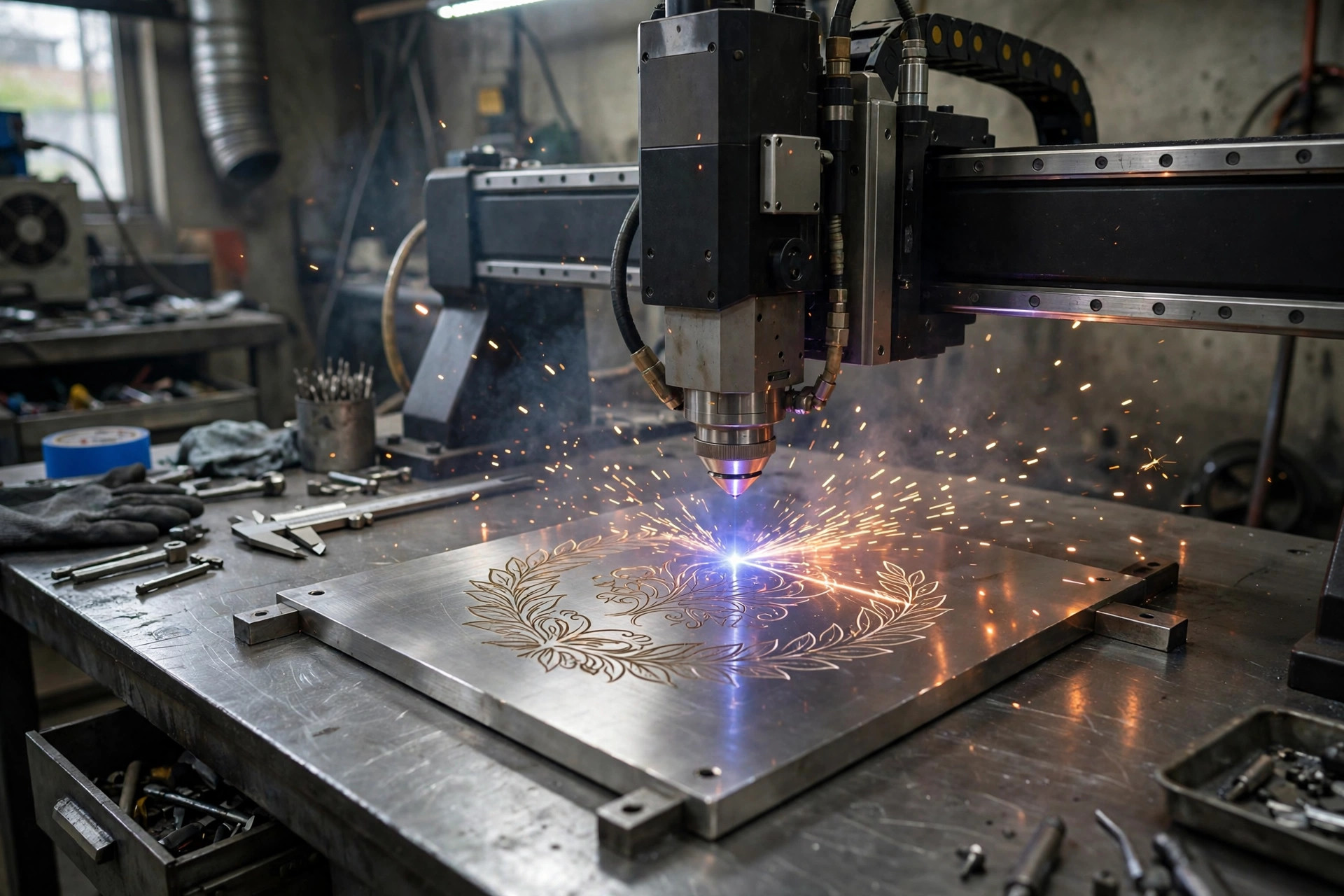
Finishing in Dubai: many OEM projects combine overseas manufacturing with Dubai-based finishing — UV printing, laser engraving, or other branding applied locally. This hybrid approach offers manufacturing economies with local quality control over the critical branding step. Our guide to corporate gift suppliers in Dubai explains how full-service local suppliers coordinate these stages.
Cost Structure: Where the Money Goes
OEM pricing has more components than catalogue buying. Understanding them helps you evaluate quotes and identify where value can be improved:
Tooling and setup: one-time costs for moulds, dies, and production setup. These are fixed regardless of quantity — which is why per-unit costs fall sharply as volumes rise. Clarify whether tooling is a separate line item and who owns the tooling afterwards.
Unit manufacturing cost: materials, labour, and factory margin per piece. This is where volume discounts are steepest — doubling quantity rarely doubles cost.
Sampling costs: charged per round, sometimes credited against the bulk order. Budget for multiple rounds; approving the first sample without scrutiny is how expensive mistakes happen.
Finishing and branding: printing, engraving, assembly, and packaging — whether done at the factory or in Dubai.
Logistics: international freight, customs, and local delivery for overseas-manufactured goods.
Supplier margin and project management: the Dubai supplier’s value — sourcing, QC, coordination, risk management — is a legitimate cost. The cheapest project manager is rarely the best one when your brand reputation is on the line.
Evaluating quotes: compare complete landed costs (product + tooling + finishing + delivery), not just unit prices. A quote with a higher unit price but included tooling, local QC, and guaranteed timelines may be better value than a bare-bones factory quote that leaves you managing everything yourself.
IP and Exclusivity: Protecting Your Design
When you invest in original product design, protect that investment:
Design ownership: clarify in writing who owns the product design — you, the supplier, or the factory. For designs you commissioned, you should own or exclusively license them. Without written terms, assumptions differ across jurisdictions.
Exclusivity agreements: if uniqueness matters, get written assurance that your design will not be sold to others — including how long the exclusivity lasts and what it covers. Reputable suppliers offer this routinely for OEM projects.
Tooling ownership: if you paid for tooling, clarify who holds it and what happens if you switch suppliers. Tooling held hostage has ended more than one supplier relationship badly.
Practical realism: legal protections are only as strong as your willingness to enforce them. For most corporate gifting projects, a clear written agreement with a reputable supplier provides adequate protection — the goal is preventing misunderstandings, not preparing for litigation.
Choosing an OEM Gifts Supplier in Dubai: A Checklist
Use this checklist when evaluating potential partners:
- Relevant experience: have they managed OEM or private-label projects in your product category? Ask for examples — physical samples of past custom work tell you more than claims.
- Manufacturing transparency: will they explain where each production stage happens and why? Evasiveness about the supply chain is a red flag.
- Sampling process: do they insist on proper sampling rounds, or do they rush to production? The supplier who slows you down at sampling is protecting you.
- Quality control: what inspection stages do they operate? Can you inspect? What are the defect remedies, in writing?
- Timeline realism: do their timelines account for sampling rounds, tooling, production, and shipping — or do they promise the impossible?
- Communication: is there a dedicated project contact? How are updates delivered? OEM projects need active communication, not silence between order and delivery.
- Financial stability: will this supplier exist in six months if you need reorders or warranty support? Established local presence matters.
- References: can they connect you with past OEM clients? A supplier proud of their custom work will have clients willing to say so.
As a Dubai-based corporate gifts supplier, we manage custom and private-label projects alongside our catalogue range — coordinating specification, sampling, production oversight, and Dubai-based finishing and quality control. Our wholesale corporate gifts programme covers volume buyers, and our team can advise honestly on whether your project suits OEM, private label, or premium catalogue customization. Contact us with your brief for a feasibility assessment.
Frequently Asked Questions
What is the minimum order quantity for OEM corporate gifts in Dubai?
It depends entirely on the product and level of customization. Light private-label customization can start from a few hundred units; projects requiring custom tooling or moulds typically need 1,000+ units; complex electronics or fully original designs often require several thousand. Discuss your specific product with suppliers — experienced ones can suggest approaches that fit your actual volume.
How long does an OEM gift project take?
Realistically, 8–16 weeks from brief to delivery for a typical project: sampling rounds (with 2–3 rounds common), tooling, production, shipping (if manufactured overseas), and Dubai-based finishing. Complex or very large projects take longer. Start briefing suppliers a full quarter before you need the goods — last-minute OEM is not realistic.
Is OEM gifting more expensive than catalogue gifts?
Per-unit costs at sufficient volumes are often competitive with or better than catalogue buying, because you remove catalogue markups. However, total project cost includes tooling, sampling, and project management that catalogue orders do not have. OEM makes financial sense when volumes are large enough to amortize fixed costs, or when uniqueness justifies the investment regardless of unit economics.
Can we get exclusive rights to our custom gift design?
Yes — reputable OEM suppliers offer written exclusivity for designs you commission, specifying what is covered and for how long. Also clarify design ownership and tooling ownership in writing before production begins. These terms should be settled at the briefing stage, not discovered as problems later.
What is the difference between OEM and private label gifts?
In OEM, the product is manufactured to your design and specification — maximum uniqueness, maximum complexity. In private label, a standard product is branded exclusively as yours with your packaging and brand story — less unique, but faster and simpler with lower minimums. Many projects fall between the two, and a good supplier will help you choose the right model for your goals.
Should we manufacture locally in the UAE or overseas?
Most Dubai OEM projects use a hybrid: manufacturing overseas where factory specialization and scale offer advantages, with final branding, assembly, quality control, and packaging in Dubai. Pure local manufacturing suits printing, packaging, assembly, and finishing; complex product manufacturing is often handled overseas and managed by your Dubai supplier. Ask potential suppliers to explain their specific supply chain and why it fits your project.
Conclusion
OEM corporate gifting is a strategic capability, not just a purchasing option. Done well, it produces gifts that competitors cannot copy, brand experiences that catalogue items cannot match, and — at the right volumes — economics that reward the investment. Done hastily, it produces delays, disputes, and disappointment.
The difference comes down to planning: a precise brief, honest discussion of the right model, disciplined sampling, realistic timelines, written quality terms, and a supplier partnership built on transparency. Start early, ask hard questions, and never approve a sample you have not examined closely.
Vision Advertising — 38A St, Hor Al Anz, Deira, Dubai, UAE | +971 50 970 9564 | [email protected] — explore our corporate gifts collection and discuss your custom manufacturing project with our team.