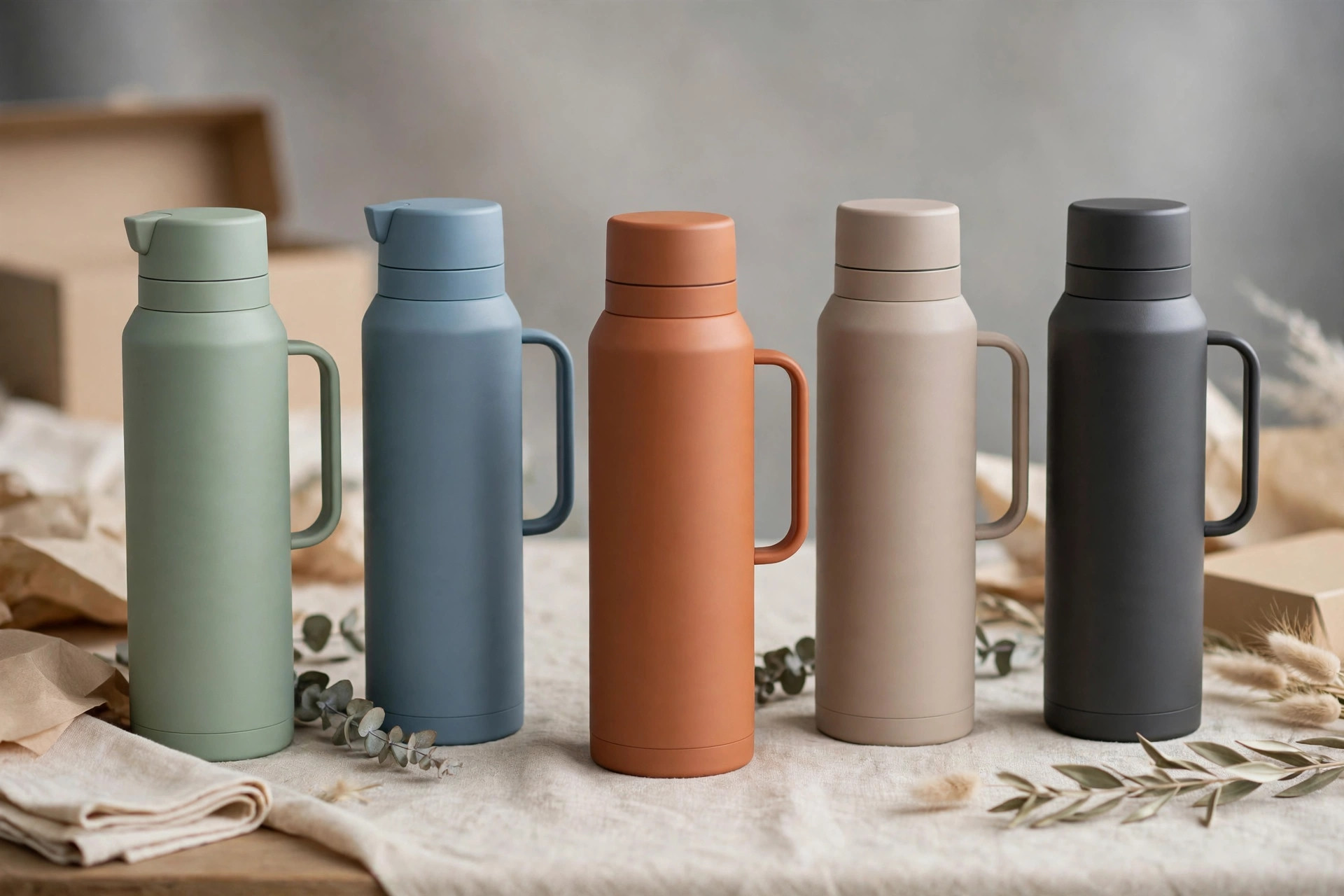
Few corporate gifts survive the first month. The branded notebook gets shelved, the tote bag gets buried in a wardrobe, and the novelty gadget ends up in a drawer. A custom thermos flask is the opposite — it goes to work every single day. It sits on the recipient’s desk, rides in their car, walks into every meeting, and carries your logo with it. For companies in Dubai and across the UAE, thermos flasks with logo engraving or printing are one of the most reliable branded gifts you can buy: practical in the local climate, durable enough to last for years, and visible in exactly the places where business gets done.
This guide is written for buyers — marketing managers, HR teams, procurement officers, and business owners — who want to order branded thermos flasks in the UAE without the guesswork. We’ll explain how vacuum insulation actually works, what “304 stainless steel” really means, how laser engraving and UV printing compare, which capacities suit which audiences, what minimum order quantities and timelines look like in Dubai, and how to brief a supplier so the finished flasks match the logo in your brand guidelines. Everything here is original, practical guidance for the UAE market — the definitive reference you can bookmark and share with your team before placing an order.
Why Thermos Flasks Are a Standout Corporate Gift in the UAE
Walk through any office tower in Business Bay, a co-working space in Dubai Media City, or a university campus in Academic City, and you’ll see the same thing: professionals and students carrying insulated bottles everywhere. That’s not a coincidence — it’s the climate. Dubai’s heat makes hydration a daily priority, and a flask that keeps water cold through a commute, a metro ride, or a long afternoon of back-to-back meetings is genuinely useful. A gift that solves a real daily problem gets used, and a used gift gets seen.
Compare that to the typical promotional shelf-life. A pen gets lost in weeks. A paper diary goes out of date. A thermos flask, especially a well-made stainless steel one, typically stays in circulation for years — desk to car to gym to office pantry, day after day. Every one of those moments is a brand impression, delivered in high-traffic, high-trust settings: meeting rooms, boardrooms, airport lounges, construction site offices. You are not buying a one-off giveaway; you are buying repeated, contextual exposure.
There’s also a perception factor that matters in the Gulf business culture. Corporate gifting here is a relationship ritual — it signals respect, gratitude, and attention to quality. A flimsy, cheap-feeling gift sends the opposite message, and recipients notice. A solid, well-finished stainless steel flask with a crisp laser-engraved logo reads as premium even before anyone knows the price. It fits comfortably in the gift budgets companies already set for onboarding packs, client welcome kits, exhibition giveaways, Ramadan hampers, and year-end appreciation sets, while feeling a tier above the standard mug or t-shirt.
Sustainability is another quiet driver. Offices across the UAE are pushing single-use-plastic reduction — many government entities and large corporates have moved away from disposable cups and plastic bottles entirely. Gifting a reusable insulated flask aligns your brand with that shift. It says your company thinks beyond the transaction, which resonates with environmentally conscious clients and employees alike. In short: custom thermos flasks in Dubai work because they’re useful in the heat, durable, sustainable, and premium-feeling — a combination very few promotional products achieve.
How Vacuum Insulation Actually Works (And Why It Matters)
To buy flasks well, you need to understand what you’re paying for — the insulation. A vacuum-insulated flask is built with two stainless steel walls: an inner wall and an outer wall, with the air pumped out of the gap between them. That gap is the whole trick. Heat travels in three ways — conduction (through materials), convection (through moving air), and radiation (infrared). Removing the air from between the walls virtually eliminates conduction and convection, because there is no air left to carry the heat. The two steel surfaces facing the gap are usually polished or copper-coated to reflect radiant heat back, cutting the third pathway too.
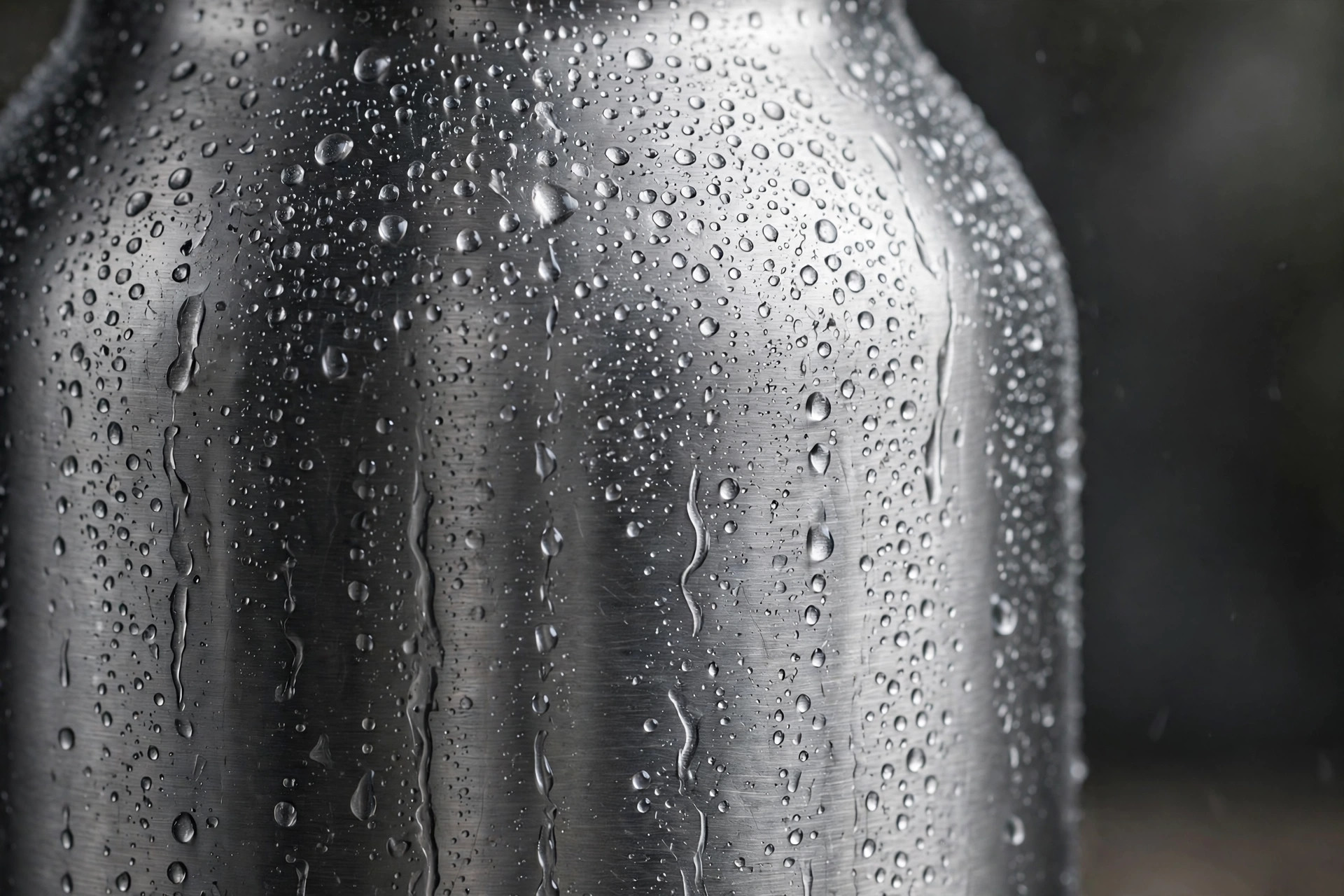
This is why a good vacuum flask keeps water cold in a hot car for most of the day, and why it also keeps karak chai or coffee hot through a long morning — the same barrier works in both directions. It’s also why a quality flask never feels hot or cold on the outside: the heat isn’t reaching the outer wall, so the flask stays comfortable to hold and never “sweats” condensation onto your desk, documents, or laptop. If you’ve ever picked up a cheap single-wall bottle and found it dripping wet, that’s the difference insulation makes.
What separates a good vacuum flask from a poor one is engineering detail: the width and uniformity of the vacuum gap, the quality of the weld at the base, the seal between the lid and the mouth, and the finish on the inner wall. A flask with a weak vacuum or a poorly fitting lid loses performance fast. That’s exactly why samples matter (more on that below) — the easiest buyer test is the touch test. Fill the flask with hot water, close it, wait ten minutes, and feel the outside. If the outer wall is warming up, the insulation is weak. A good vacuum-insulated flask stays at room temperature on the outside.
One more practical point: insulation performance depends on the flask being full or close to full. A half-empty flask has air inside that transfers heat faster. That’s not a defect — it’s physics — and it’s worth knowing when you test samples. It’s also a useful thing to mention in any care card you include with the gift: “works best when filled near the top.”
What “304 Stainless Steel” Means (And What to Ask For)
Almost every quality thermos flask on the market advertises “304 stainless steel” or “18/8 stainless steel.” These are the same thing: a grade of stainless steel containing roughly 18% chromium and 8% nickel. The chromium forms an invisible protective layer that resists rust and corrosion; the nickel adds strength and keeps the steel stable. For drinkware, 304 is the benchmark grade — food-safe, durable, and resistant to the kind of daily abuse a corporate gift will take: being dropped in a car boot, rinsed in office pantries, carried on construction sites.
Cheaper flasks sometimes use lower grades or thinner walls. You can’t always tell from a product listing, which is another reason to deal with a supplier who can tell you the material grade and show you a sample. Ask directly: “Is the inner wall 304 stainless steel?” The inner wall is the one that touches the drink, so it matters most. The outer wall is usually the same grade on quality products, but the inner wall is non-negotiable.
Beyond the steel grade, pay attention to the lining finish. Quality flasks have a smooth, polished interior that’s easy to clean and doesn’t hold flavours — important for a gift people will use for water, coffee, and tea interchangeably. Lower-quality interiors can be rough or reactive, leaving a metallic taste. If your recipient base includes tea and coffee drinkers (and in the UAE, it will), a clean-tasting interior is a real quality signal.
Anatomy of a Good Corporate Thermos Flask
When you’re comparing flask models for a branded order, break them down into components:
Body and construction. Double-wall vacuum construction is the minimum for a flask marketed as “thermos.” Check the weight — a suspiciously light flask often means thinner steel and a weaker vacuum. Check the base — it should sit flat and stable on a desk. Run your fingers along the body for smooth welds and a consistent finish; powder-coated finishes should be even, with no bubbles or rough patches.
Lid design. This is where daily-use flasks win or lose. The main options you’ll see are screw caps with a carry loop, flip-top or straw lids for easy sipping while walking, and sports-cap lids. Each has trade-offs. Screw caps seal best and leak least; flip-tops and straw lids are more convenient but have more parts to wear. For corporate gifting, the screw cap with a loop is the safest all-rounder — it suits office use, commutes, and outdoor staff equally. Ask whether spare lids are available; a replaceable lid dramatically extends the flask’s life.
Mouth width. Wide mouths are easier to fill with ice cubes, easier to clean, and friendlier for adding tea bags or lemon slices — popular habits in the UAE. Narrow mouths pour better and feel sleeker for coffee. For a general corporate audience, a medium-wide mouth is the most versatile choice.
Finish. Powder coating gives grip and comes in the widest colour range — matte black, white, navy, and brand colours are all standard. Brushed or polished steel looks premium and shows off laser engraving beautifully. Some flasks combine a matte body with a polished engraving panel. Think about how your logo will appear on each finish before choosing (see the branding section).
Size and capacity. The corporate sweet spot in the UAE is 500ml and 750ml. A 500ml flask is the daily-carry size — fits car cup holders, desk spaces, and handbags. A 750ml flask suits field staff, drivers, gym users, and anyone who wants to refill less often. Larger 1-litre flasks work well for outdoor teams and as premium gift-set pieces. Smaller 350ml options exist but feel less generous as a gift. We’ll cover sizing strategy in more detail below.
Branding Methods Compared: Laser Engraving vs UV Printing vs the Rest
This is the section that saves buyers the most money and disappointment. How your logo is applied determines how the flask looks, how long the branding lasts, and what it costs. Here are the methods used by Dubai suppliers for bulk thermos flasks:
Laser engraving (the premium default)
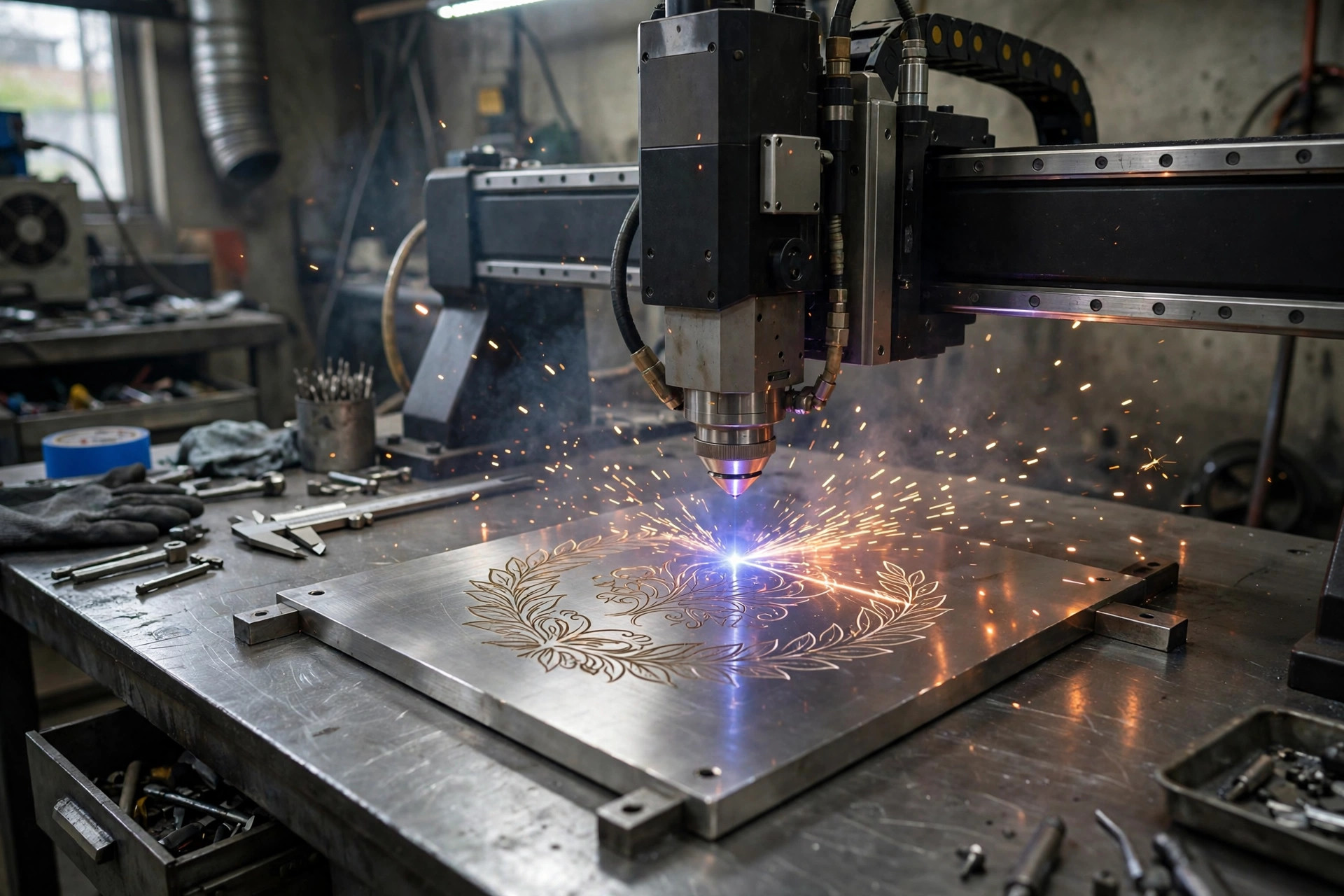
A laser etches the logo directly into the steel surface, removing a thin layer of material to reveal the metal beneath. On brushed or polished stainless steel, the result is a crisp, tone-on-tone mark that looks genuinely premium — it catches the light subtly and never peels, fades, or washes off. Because it’s a physical mark in the metal, it’s the most durable branding method available.
Laser engraving is ideal for single-colour, line-based logos — text, monograms, and clean icon marks. It reproduces fine detail extremely well, but it can’t do full colour; the mark takes on the colour of the steel underneath (usually a slightly darker silver-grey). On powder-coated flasks, the laser burns through the coating to reveal the steel, creating a high-contrast two-tone effect that looks striking — a white or silver logo on matte black is a classic.
Best for: premium client gifts, executive sets, brands with a clean monochrome logo version. Limitation: no colour, and the engraving area on a curved flask is limited in height, so very tall or intricate full-colour artwork needs adapting.
UV printing (full colour, flat or curved)
UV printing applies ink directly onto the flask surface and cures it instantly with ultraviolet light. It handles full-colour artwork — gradients, photographs, multi-colour logos — with sharp results, and it works on curved surfaces. Modern UV inks adhere well to powder-coated steel and, with proper surface preparation, to bare steel too.
Best for: colourful brand identities, event-specific designs, flasks where the artwork IS the message (product launches, campaign giveaways). Limitations: ink sits on the surface, so it’s less scratch-proof than engraving — it can chip if the flask is abused. Ask your supplier about adhesion testing and whether a protective clear coat is available for heavy-use scenarios.
Screen printing and pad printing
Screen printing pushes ink through a mesh stencil — excellent for bold, single- or two-colour designs on flatter areas, with vibrant opaque inks. Pad printing uses a silicone pad to transfer ink, which handles small curved areas well (think small logos near the base or lid). Both are economical at volume and produce vivid colour, but like UV printing, the ink is a surface layer, so durability is good but not engraving-grade.
Embossing / debossing
A metal die presses the logo into (or raises it from) the surface. True embossing on steel is a specialist process and usually reserved for high-end runs, but the effect is unmistakable — tactile, premium, permanent. If your budget allows and the run size justifies the die cost, ask about it for flagship executive gifts.
Heat transfer and wraps
Full-wrap heat transfers can cover an entire flask in photographic artwork. They’re popular for event merch and fan-style giveaways but less common for corporate branding, where subtlety usually wins. Durability varies — check samples.
How to choose: If your logo has a clean single-colour version, laser engraving is almost always the right answer for corporate flasks — it looks expensive and lasts forever. If your brand identity depends on full colour, go UV printing on a powder-coated flask and ask about scratch resistance. When in doubt, ask your supplier to show you the same logo in both methods on physical samples. Seeing is believing, and a ten-minute sample comparison beats a week of email debate.
Artwork Preparation: Getting Your Logo Print-Ready
Branding failures are almost always artwork failures. Suppliers can’t engrave a low-resolution JPEG pulled from your website and make it look good — the physics of the flask won’t allow it. Here’s what to prepare:
Vector files, always. Provide your logo in a vector format — AI, EPS, or SVG. Vector artwork scales infinitely without losing sharpness, which matters enormously when a logo has to wrap cleanly around a curved steel surface. If you only have a PNG or JPEG, a good supplier can often redraw or vectorise it, but that adds time and sometimes cost — and redrawn logos can drift from brand guidelines.
Single-colour version for engraving. Laser engraving needs a clean one-colour version of your logo. If your brand guidelines include a monochrome or reversed version, use it. If not, ask your designer to prepare one before you brief the supplier — don’t leave the conversion to the print operator’s judgement on the day.
Size and placement. On a 500ml flask, the typical branding area is a modest panel — roughly the width of a business card and a few centimetres tall. Keep the design simple at that scale: logo plus, at most, a short tagline. Fine text below a certain size becomes illegible when engraved or printed on a curve. Ask your supplier for the exact printable dimensions of the model you’ve chosen and lay your artwork out at actual size before approving.
Colour matching. For printed (not engraved) branding, specify Pantone references for brand colours rather than relying on screen colours. CMYK conversions shift, and “close enough” on a corporate gift can mean a logo that doesn’t match the brand book. A serious supplier will run a proof and get your sign-off before the full run.
Proofs before production. Never skip the pre-production proof. For engraving, ask for a photo of the engraved sample; for printing, ask for a printed proof on the actual flask model and colour. Check spelling, alignment, colour, and size against your brand guidelines. Once a full run of a thousand flasks is engraved, there is no undo button.
Capacities and Use Cases: Matching Size to Audience
One of the most common buyer questions is what size to order. The answer depends on who receives the flask:
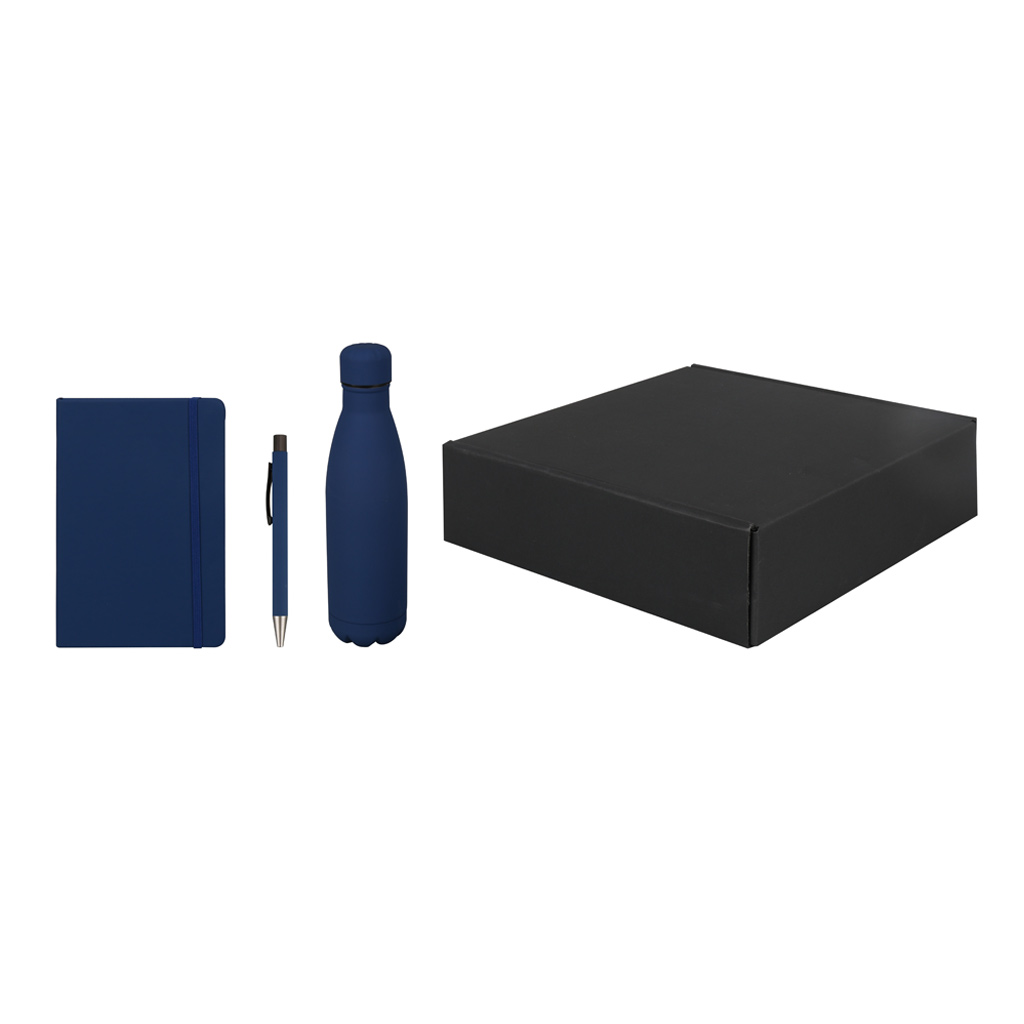
350ml — compact and gift-set friendly. Works as part of a curated gift set (flask + notebook + pen in a box), or for audiences who carry small bags. As a standalone gift it can feel small, so pair it or choose it deliberately.
500ml — the universal corporate choice. The default for office staff, clients, conference delegates, and onboarding packs. Fits standard car cup holders and desk spaces, light enough for daily carry. If you’re ordering one size for a mixed audience, this is it.
750ml — the field and fitness pick. Better for staff who work outdoors, drivers, sales teams on the road, and gym-goers. Also a strong choice for welcome kits aimed at younger employees. Slightly bulkier, but the extra capacity is genuinely appreciated by heavy water drinkers — common in the UAE climate.
1 litre and above — premium and outdoor. Best as a flagship gift or for outdoor/event teams. These make an impression in gift sets and are practical for site engineers, event crews, and sports contexts.
Mixed-size strategy. For large orders covering multiple audiences, splitting the run — say, 500ml for office staff and 750ml for field teams — is often smarter than one-size-fits-all. Ask your supplier whether mixed sizes within one order are possible; many will accommodate it, sometimes with adjusted minimums per size.
Why Insulated Flasks Suit Dubai’s Climate Perfectly
Dubai’s weather is the strongest sales argument for this product category, and it’s worth understanding precisely why. For much of the year, daytime temperatures make an uninsulated bottle almost pointless — water left in a car or on a desk warms to an unpleasant temperature within an hour or two. A vacuum-insulated flask keeps water genuinely cold through a commute, a full workday, and the drive home. That isn’t a luxury feature here; it’s the difference between a bottle people use and one they abandon.
The reverse matters too. Office air conditioning in the UAE runs cold year-round, and hot drinks cool fast in an over-chilled office. A vacuum flask keeps karak, Arabic coffee, or a morning flat white at drinking temperature for hours — a small daily pleasure your recipients will associate with your brand. And because the outer wall stays at room temperature, there’s no condensation sweating onto desks, contracts, or laptops — a real consideration in humid months.
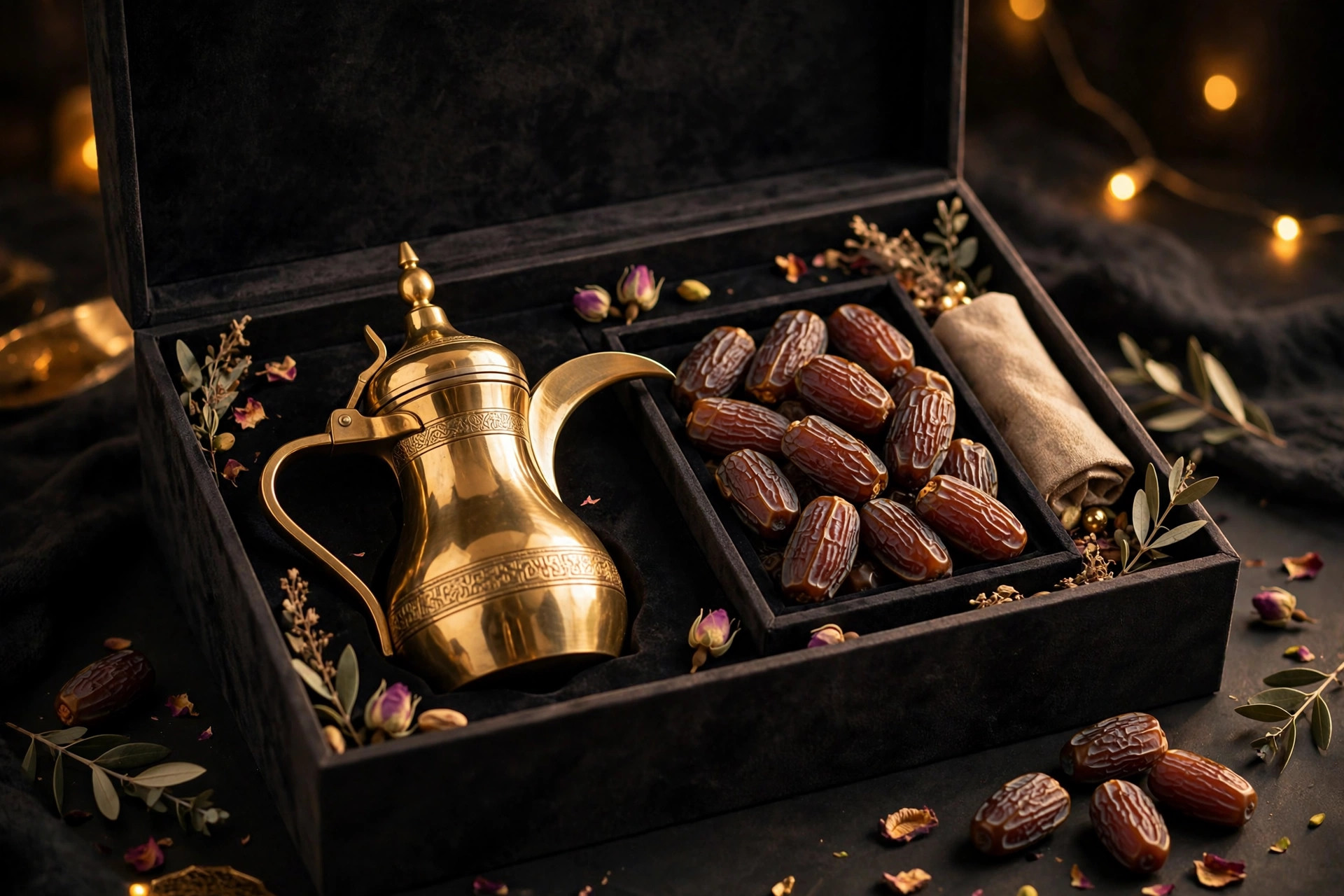
There’s a cultural fit as well. Hospitality runs deep in Emirati and wider Gulf culture — offering Arabic coffee (gahwa) and dates is a gesture of welcome. A premium flask slots naturally into that hospitality tradition: it’s a vessel for the drinks people share. For Ramadan gifting, National Day celebrations, and Eid hampers, an insulated flask is culturally comfortable — useful, respectful, and appropriate across audiences. It’s also a safe choice for mixed-gender corporate audiences, since it’s universally useful and carries no sizing or personal-style risks.
Finally, consider the outdoor economy. The UAE runs a huge calendar of outdoor activity in the cooler months — desert events, beach clubs, golf, cycling, camping season — plus year-round outdoor workforces in construction, logistics, and events. A rugged insulated flask is relevant to all of them. When you brief your supplier, mention the use case: flasks for outdoor crews benefit from tougher powder coating and secure screw caps, while executive gifts prioritise finish and engraving quality.
Buying Branded Thermos Flasks in Dubai: MOQs, Timelines, and Samples
Here’s the practical buying guidance for the UAE market. Every supplier differs, but these are the honest general patterns:
Minimum order quantities. Branded flask orders in Dubai typically start at a minimum order quantity — commonly in the tens to low hundreds of units for standard models with local printing or engraving. Fully custom manufacturing (your own flask design, custom colours, custom moulding) requires much larger commitments and is a different project entirely. If your quantity is small — a dozen executive gifts, say — ask about digital or small-batch options; some suppliers can accommodate lower volumes on stocked models at a higher per-unit cost. Always confirm the MOQ for the exact model and branding method you’ve chosen, because it varies.
Production timelines. Timeline depends on three things: whether the flask model is in stock locally, which branding method you’re using, and your quantity. Stocked flasks with local laser engraving or printing can often be turned around in a matter of working days once artwork is approved. Larger runs, special colours, or models that need to be imported take longer — potentially several weeks including shipping and customs. The single biggest cause of missed deadlines is artwork approval delays, so have your vector files and sign-offs ready before you need them. If your flasks are for a dated event — an exhibition, a product launch, National Day — work backwards from the event date and add a buffer. Tell your supplier the hard deadline upfront; a good supplier will tell you honestly whether it’s achievable.
Samples. Always request a physical sample before committing to a bulk order — ideally a blank sample of the exact model to check build quality, and a branded proof to check your logo. The sample lets you run the hot-water touch test, check the lid seal (fill it, shake it, turn it upside down), assess the finish, and confirm the branding quality. Reputable Dubai suppliers expect this; be wary of any supplier reluctant to provide samples.
Pricing factors. Per-unit cost moves with quantity (higher volumes bring the unit price down), flask model and capacity, finish (powder coating vs polished steel), branding method (engraving vs multi-colour printing), number of branding positions, and packaging. Gift boxing adds cost but transforms the perceived value — for client and executive gifts, it’s usually worth it. Get an itemised quote so you can see exactly what drives the price, and compare like-for-like across suppliers.
Delivery across the Emirates. If you’re based in Dubai, confirm delivery coverage for the other emirates — Abu Dhabi, Sharjah, Ajman, Ras Al Khaimah, Fujairah, and Umm Al Quwain — especially for event-day deliveries or multi-office distributions. Ask about delivery timelines, whether the supplier handles the logistics or uses a courier, and how fragile the packaging is for transit. For large distributions, some suppliers can split-ship directly to multiple office locations; agree this in the quote stage, not after production.
Occasions: When Branded Flasks Hit Hardest
Thermos flasks are versatile, but certain occasions in the UAE calendar make them especially effective:
Employee onboarding. A flask in the welcome kit is one of the highest-appreciation onboarding gifts — new joiners use it from day one, and it photographs well for the “first day” social post. Pair it with a notebook and pen for a complete desk set.
Client welcome and thank-you gifts. For new client relationships or milestone thank-yous, an engraved flask says “we invested thought here” far more convincingly than another box of dates or a generic hamper item.
Exhibitions and conferences. Dubai’s exhibition calendar — from GITEX to industry expos year-round — is prime territory. A quality flask stands out dramatically against the sea of tote bags and USB sticks at a trade show booth, and it gets carried around the venue all day: mobile advertising with your logo.
Ramadan and Eid gifting. During Ramadan, thoughtful corporate gifting is customary. A premium flask fits beautifully into Ramadan hampers and Eid gift sets — practical for the iftar-to-suhoor routine and respectful in tone. Engrave a subtle Ramadan greeting alongside your logo for a personal touch.
UAE National Day (December 2). National Day gifting is a major corporate ritual. Flasks in UAE flag colours or with tasteful National Day artwork make memorable, on-theme gifts for staff and partners.
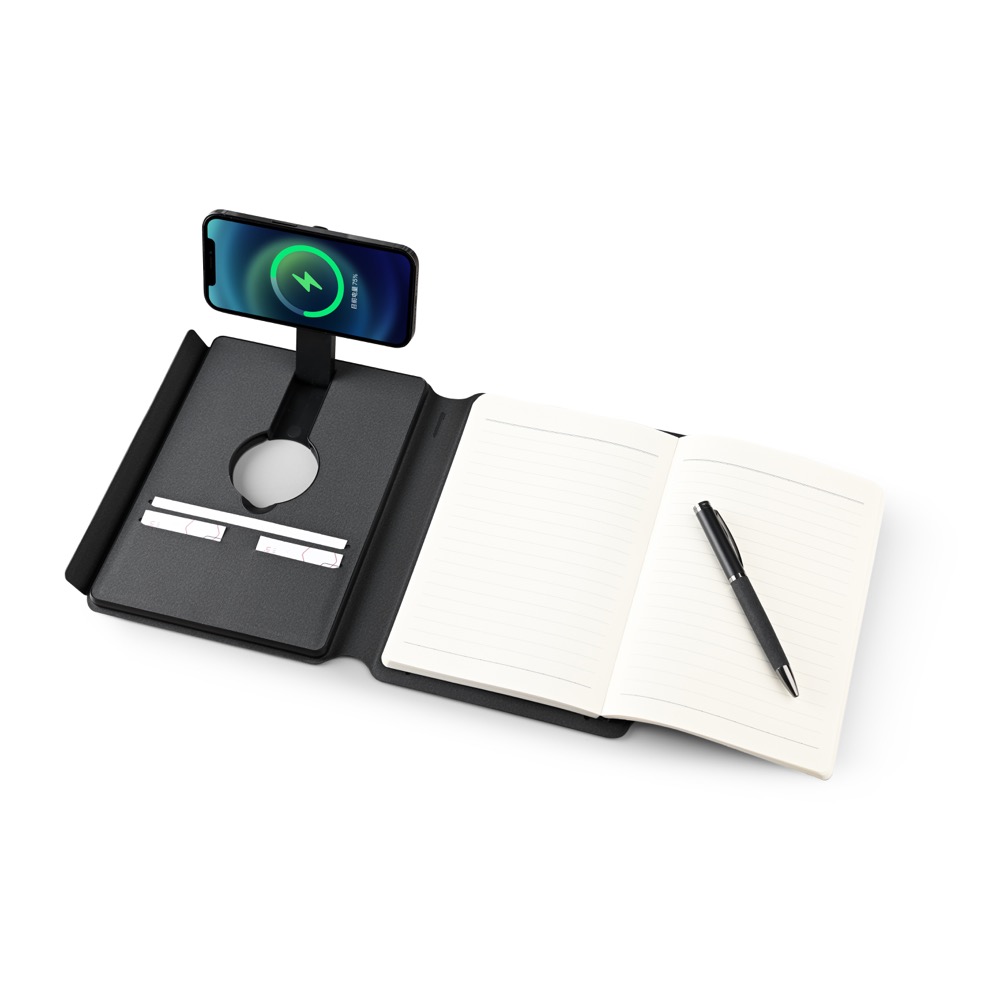
End-of-year appreciation. Year-end gift sets with an engraved flask, a quality notebook, and perhaps a tech accessory land well with both staff and clients — useful, premium, and personalisable.
Outdoor events and team activities. Desert clean-ups, company sports days, cycling events, camping trips — any company activity in the cooler months is a natural fit for an insulated flask giveaway.
Care and Maintenance: What to Tell Recipients
A corporate gift that comes with simple care guidance lasts longer and performs better — and the brand association lasts with it. Consider including a small care card with each flask. Here’s what it should say:
Daily cleaning. Rinse with warm water and mild dish soap after each use. For the interior, a bottle brush reaches the bottom far better than a sponge. Avoid abrasive scourers on powder-coated exteriors — they scratch the finish.
Deep cleaning. For tea and coffee stains or odours, a soak with warm water and a spoonful of baking soda works well; rinse thoroughly afterwards. White vinegar diluted in water is another effective deodoriser. Avoid bleach and harsh chemicals — they can damage seals and finishes.
Dishwasher guidance. Many flasks are technically dishwasher-safe, but hand washing preserves both the finish and any printed branding far longer. Laser engraving survives dishwashers fine (it’s in the metal), but printed logos fade faster with machine washing and high heat. When in doubt, hand wash.
Lid and seal care. The silicone gasket in the lid is the part that wears first. Rinse it regularly, let it dry fully before reassembling, and replace the lid if the seal ever loosens — a fresh lid restores a flask to full performance. This is why asking your supplier about spare lid availability is smart buying.
What not to do. Don’t put the flask in a microwave (metal + microwaves is a hard no). Don’t freeze it — expanding ice can damage the vacuum seal. Don’t use it for carbonated drinks unless the flask is specifically designed for them; pressure build-up can force leaks. And don’t leave dairy-based drinks sitting in it all day in the heat — clean it promptly.
Common Mistakes Buyers Make (And How to Avoid Them)
Choosing on price alone. The cheapest flask quote usually means thinner steel, weaker vacuum, and sloppy finishing. Your logo ends up on a product that underperforms — and recipients associate that disappointment with your brand. The price gap between a poor flask and a good one is small per unit; the reputation gap is enormous.
Skipping the sample. Approving a thousand units from a catalogue photo is how branding disasters happen. Colours render differently in person, engraving depth varies, lid quality can’t be judged from a render. Always hold the product first.
Sending low-resolution artwork. A pixelated logo engraved at scale looks unprofessional and can’t be fixed after production. Vector files, proper proofs, Pantone references — do the artwork homework upfront.
Ignoring the lid. Buyers obsess over the body and forget the lid — then discover it leaks, the flip-top breaks in a month, or the straw tastes of plastic. Test the lid as hard as you test the body.
Overloading the design. A flask’s branding area is small. Cramming the logo, tagline, website, QR code, and a slogan into a business-card-sized panel produces a cluttered mess at arm’s length. One strong mark, cleanly applied, beats five elements fighting for space.
Forgetting the audience’s reality. Ordering narrow-mouth flasks for a team that drinks karak with loose tea, or tiny 350ml flasks for outdoor site engineers, misses the point. Match capacity and features to how recipients will actually use the gift.
Leaving packaging as an afterthought. A premium flask handed over loose in a plastic bag loses half its impact. Even a simple kraft gift box with tissue elevates the unboxing. For executive gifts, rigid boxes with your branding complete the experience.
How to Brief Your Supplier: A Checklist
When you contact a supplier for custom thermos flasks in Dubai, bring this information and you’ll get an accurate quote fast — and avoid the back-and-forth that kills timelines:
- Quantity — exact number (or range) and whether sizes can be mixed.
- Flask model or spec — capacity, finish, lid type, colour preferences. If unsure, describe the audience and use case and ask for recommendations.
- Branding method — laser engraving, UV printing, or open to advice. State whether your logo is single-colour or full-colour.
- Artwork — vector files attached, Pantone references for printed colours, exact placement instructions.
- Branding positions — one side, wraparound, lid, or base? Each position affects cost.
- Packaging — individual gift boxes, bulk packing, or custom branded boxes?
- Deadline — the hard date the flasks must be in hand, and the delivery location(s).
- Budget guidance — a per-unit target helps the supplier recommend the right model instead of guessing.
- Sample requirement — confirm you’ll approve a physical branded proof before the full run.
- Delivery — single Dubai address or split across emirates?
Suppliers who ask you these questions unprompted are usually the ones worth working with. It signals they understand corporate gifting rather than just selling bottles.

Thermos Flasks vs Other Drinkware: Making the Right Call
Flasks are superb, but they’re not the only drinkware option — and an honest guide should help you choose. If you’re weighing custom mugs in Dubai against flasks, the deciding factor is lifestyle. Ceramic mugs suit desk-bound teams and office pantries; they’re cheaper per unit and offer a larger print area, making them great for colourful designs and large-quantity giveaways. Flasks win for mobile audiences — commuters, field staff, event attendees — and for perceived value: a flask simply feels like a bigger gift than a mug.
Custom travel mugs sit between the two: more portable than a ceramic mug, less insulating than a true vacuum flask, often with a sipping lid optimised for car cup holders. They’re a strong pick for driving-heavy audiences. Custom stainless steel bottles overlap heavily with thermos flasks — in fact, many products marketed as “steel bottles” are vacuum-insulated flasks by another name. When comparing, check the construction: double-wall vacuum is what delivers the temperature performance, whatever the product is called.
For a full side-by-side breakdown, see our comparison of branded drinkware for corporate gifting — bottles, mugs and tumblers compared. The short version: if your budget allows one premium drinkware gift and your audience is on the move, the vacuum flask is the strongest all-round choice.
Sustainability and the Reusable Story
Corporate buyers increasingly need gifts that align with ESG commitments and internal sustainability policies — and this is where thermos flasks genuinely shine rather than just claiming to. A single reusable flask, used daily, displaces a large number of single-use plastic bottles and disposable cups over its lifetime. Many UAE organisations now run explicit plastic-reduction programmes; gifting flasks to staff directly supports those programmes and gives employees the tool to participate.
When you present flasks internally or to clients, frame the sustainability angle honestly: the environmental benefit comes from long-term reuse, so quality matters — a flask that breaks in three months is worse than no flask at all. Choose durable models, offer spare lids, and include the care card. Some suppliers offer flasks with recycled stainless steel content or plastic-free packaging; if that matters to your brand story, ask — but verify claims rather than printing them on the gift. Greenwashing on corporate gifts backfires fast.
Conclusion: A Gift That Works as Hard as Your Brand Does
Custom thermos flasks in Dubai earn their place in the corporate gifting shortlist the honest way: they solve a real daily problem in this climate, they carry your logo into meetings, cars, gyms, and events for years, and the branding methods available — from crisp laser engraving to vivid full-colour UV printing — let you match the finish to your brand’s personality. Buy well: insist on 304 stainless steel, double-wall vacuum construction, and a lid you’d trust yourself; approve physical samples; prepare proper vector artwork; and brief your supplier with the checklist above. Do that, and your flasks won’t just be another giveaway — they’ll be the gift recipients reach for every morning.
Ready to put your logo on flasks people will actually use? Vision Advertising supplies branded thermos flasks across the UAE — laser engraving, UV printing, bulk quantities, gift packaging, and delivery to Dubai, Abu Dhabi, Sharjah, and every emirate. Share your quantity, deadline, and artwork, and we’ll recommend the right model and branding method for your audience and budget.
Vision Advertising — 38A St, Hor Al Anz, Deira, Dubai, UAE | +971 50 970 9564 | [email protected]. Browse the full range in our corporate gifts shop or explore more branded drinkware ideas to build the perfect gift set.
Frequently Asked Questions
What is the minimum order quantity for custom thermos flasks in Dubai?
Minimum order quantities vary by supplier, flask model, and branding method. For standard stocked models with local laser engraving or printing, minimums commonly start in the tens to low hundreds of units. Fully custom manufactured flasks require much larger orders. If you need a smaller quantity — for example, executive gifts — ask your supplier about small-batch options on stocked models. Always confirm the MOQ for your exact specification before planning your budget or timeline.
How long does it take to get branded thermos flasks made in the UAE?
It depends on stock availability, branding method, and quantity. If the flask model is stocked locally and your artwork is approved, laser engraving or printing can often be completed within a matter of working days. Larger runs, special colours, or imported models take longer — sometimes several weeks including shipping. The most common delay is artwork approval, so having vector files ready and signing off proofs promptly is the best way to protect your deadline. Always share your hard deadline with the supplier upfront.
Is laser engraving or UV printing better for a company logo on a flask?
For most corporate logos, laser engraving is the better choice: it’s permanent, looks premium on stainless steel, and never peels or fades. It works best with clean single-colour logo versions. UV printing is better when your branding depends on full colour — gradients, photographs, or multi-colour marks — and it reproduces those faithfully on powder-coated flasks. If you’re unsure, ask your supplier to show you the same logo in both methods on physical samples before deciding.
What does 304 stainless steel mean, and does it matter for a thermos flask?
304 (also called 18/8) is a food-grade stainless steel containing chromium and nickel, which makes it rust-resistant, durable, and safe for drinks. It matters because the inner wall touches everything the recipient drinks — lower-grade or ungraded steel can corrode, retain flavours, or leave a metallic taste. When ordering branded thermos flasks, ask the supplier to confirm the inner wall is 304 stainless steel, and check a sample for a smooth, clean-tasting interior.
Can you deliver branded thermos flasks outside Dubai, to Abu Dhabi or Sharjah?
Yes — reputable UAE corporate gift suppliers deliver across all seven emirates, including Abu Dhabi, Sharjah, Ajman, Ras Al Khaimah, Fujairah, and Umm Al Quwain. For large orders, ask whether the supplier can split-ship directly to multiple office locations, and confirm delivery timelines and packaging suitability for transit when you request your quote. For event-day deliveries, book the delivery slot as early as possible.
How should recipients clean and care for a stainless steel thermos flask?
Hand washing with warm water and mild dish soap is best — it preserves both the finish and any printed branding. A bottle brush cleans the interior effectively; a baking soda soak removes tea and coffee stains or odours. Avoid abrasive scourers on coated exteriors, don’t microwave or freeze the flask, and let the lid’s silicone gasket dry fully before reassembling. Including a small care card with each gifted flask helps recipients get years of use from it.